
Why choose us?
Modern techniques
We actively learn and adopt the advanced technology of various countries, combining the high precision of the new technology developed by our company, and according to the customer's problems, so as to develop automation equipment machines suitable for customers.
Fast delivery
After both sides sign the contract, all equipment will be delivered in 1-10 days except for non-standard equipment, which is determined on specific situation!
Safe and secure
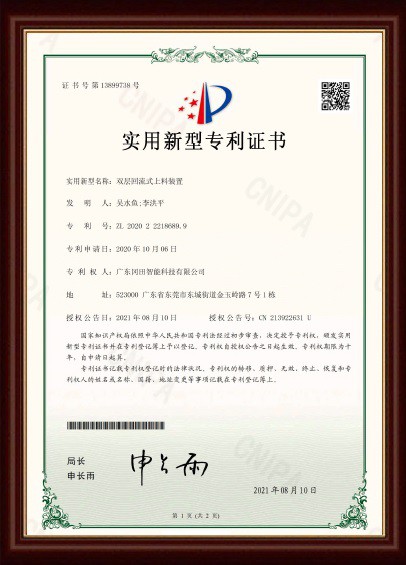
We have been certified as a national high-tech enterprise for many consecutive years and owns more than 70 patents, including more than 30 invention patents and software copyrights.
Strict quality control
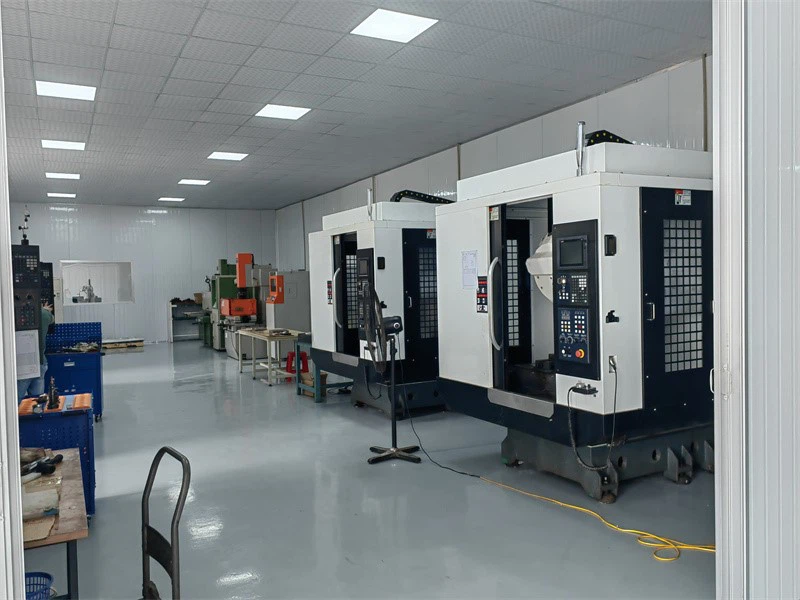
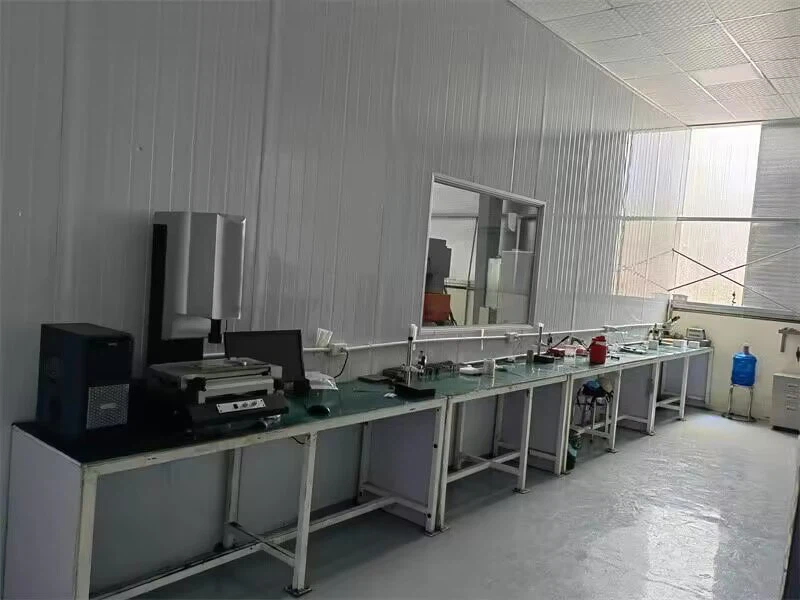
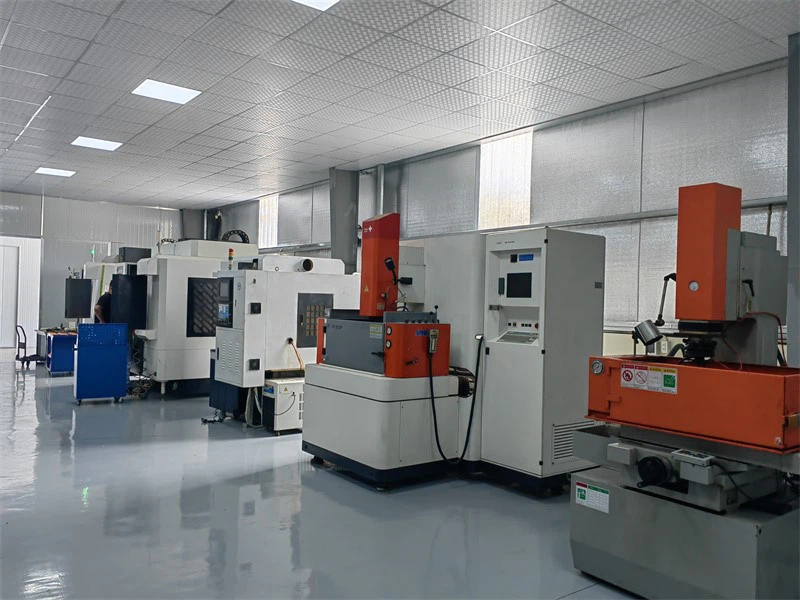
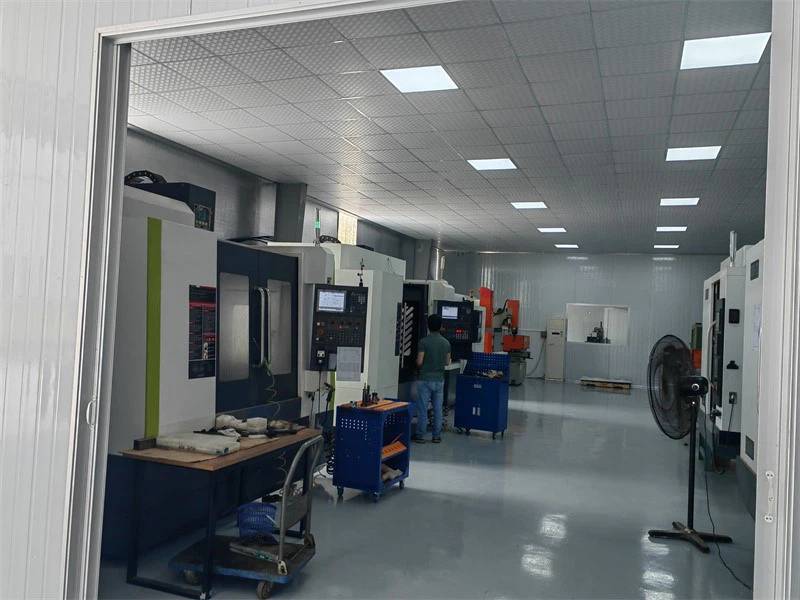
We have our own processing workshop and testing instruments. Our equipment testing process is strict, including raw material testing, production process testing, and joint testing by various departments before shipment, with layers of checking.
-
![Inverter Welding Machine]() Inverter Welding MachineInverter welding machines are suitable for welding copper wire connections, silver contacts, bimetallic strips, small hardware, temperature switches, terminals, and precision components in electricalread more
Inverter Welding MachineInverter welding machines are suitable for welding copper wire connections, silver contacts, bimetallic strips, small hardware, temperature switches, terminals, and precision components in electricalread more -
![Ultra High Frequency Welding Machine]() Ultra High Frequency Welding MachineThis series of ultra high frequency welding machine can realize non-contact welding through high frequency induction heating. It is able to complete induction heating to articles quickly, partiallyread more
Ultra High Frequency Welding MachineThis series of ultra high frequency welding machine can realize non-contact welding through high frequency induction heating. It is able to complete induction heating to articles quickly, partiallyread more -
![Automatic Welding Machine for Flexible Connection]() Automatic Welding Machine for Flexible ConnectionThe equipment is used for laser welding of top cover and copper/aluminum connecting piece of power battery after assembly.read more
Automatic Welding Machine for Flexible ConnectionThe equipment is used for laser welding of top cover and copper/aluminum connecting piece of power battery after assembly.read more -
![Automatic Welding Machine for Top Cover]() Automatic Welding Machine for Top CoverThe equipment is used for laser welding between the top cover and shell of power battery to realize the sealing between the top cover and shell.read more
Automatic Welding Machine for Top CoverThe equipment is used for laser welding between the top cover and shell of power battery to realize the sealing between the top cover and shell.read more -
![Automatic Laser Welding Machine for Capacitor]() Automatic Laser Welding Machine for CapacitorAutomatic laser welding machine for capacitor is our customized automation equipment for capacitor industry customers, using two sides of the interactive feeding welding design. The structureread more
Automatic Laser Welding Machine for CapacitorAutomatic laser welding machine for capacitor is our customized automation equipment for capacitor industry customers, using two sides of the interactive feeding welding design. The structureread more -
![Laser Welding Machine for Solder Ball]() Laser Welding Machine for Solder BallLaser welding machine for solder ball to achieve precision: PCB pads and gold finger solder connection, FPC and PCB welding, wire and PCB welding, part of the THT plug-in device welding. Productsread more
Laser Welding Machine for Solder BallLaser welding machine for solder ball to achieve precision: PCB pads and gold finger solder connection, FPC and PCB welding, wire and PCB welding, part of the THT plug-in device welding. Productsread more


A welding machine is a powerful tool used to fuse two pieces of metal together. This machine holds the metal pieces in place, melts them, and uses pressure to join them.
It is an essential tool for any construction-related job which requires metalwork.Welding machines are used to create strong welds by applying high temperatures, which is significantly greater than those required for cooking or burning purposes.
Benefits of Welding Machine
Versatility
Welding machines are used to join metal parts or pieces, and they can be used to work with different types of metals. They can also perform various welding techniques, including MIG, TIG, and Stick welding. This versatility allows users to tackle different projects with ease and to be more efficient in their work.
Efficiency
The use of welding machines is an efficient way to join metal parts together. The machines are fast and can complete projects in a shorter time frame, which makes it possible to work on other projects faster.
Cost savings
Welding machines are less expensive compared to outsourcing welding projects to other companies. They also require less maintenance and repair, which results in cost savings in the long run.
Improved quality
Welding machines allow for precise control, which leads to more accurate and high-quality results. It also ensures that the finished project will be more durable and long-lasting.
Ease of use
Modern welding machines are designed to be user-friendly, which makes them easy to operate. They are also equipped with safety features to ensure that the user is protected from accidents.
Portability
Welding machines come in different sizes and are portable, which means they can be easily moved from one location to another. This feature makes them ideal for projects that require mobility or remote work.
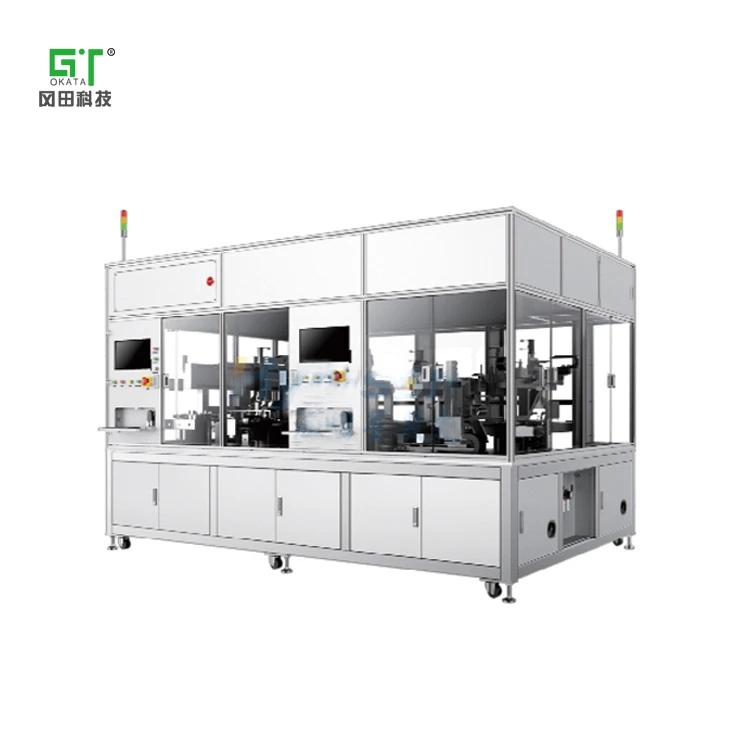
Types of Welding Machine


MIG welding machine
MIG welding, or Metal Inert Gas welding, is renowned for its user-friendly nature. This method is particularly adept at handling large and thick materials. MIG machines employ a consumable wire as an electrode along with a filler material, leading to faster welding processes and reduced production costs.
TIG welding machine
Tungsten Inert Gas (TIG) welding machines are favored for their precision and cleanliness, making them a prime choice for thin metals and intricate projects. While more demanding in terms of experience and multitasking, TIG welding involves the operator holding the welding torch with one hand and feeding the filler wire with the other. The process mandates a non-consumable tungsten electrode to produce the weld.
Shielded metal arc welding machine (stick)
Stick welding, scientifically known as Shielded Metal Arc Welding (SMAW), leverages an electric current between the base metal and the filler rod (or "stick") to generate welding heat. The filler rod is coated with a flux that inhibits oxidation and contamination by producing carbon dioxide gas during the welding process. SMAW machines are compatible with both AC and DC currents.
Flux-cored arc welding machine
Flux-Cored Arc Welding (FCAW) machines cater to thicker metals and out-of-position welding scenarios. FCAW machines exhibit remarkable adaptability, functioning effectively both indoors and outdoors. Employing a continuously-fed flux-filled electrode negates the need for external shielding gas or interrupting and restarting the welding process.
Plasma arc welding machine
Plasma Transferred Stick Welding machines (PTAW) serve as industrial-sized counterparts to TIG welders, incorporating an anode that envelops the tungsten electrode. This configuration enhances precision, constraining the arc to a laser-like accuracy while safeguarding the electrode from filler material. These welders are primarily found in the aircraft manufacturing industry, characterized by their advanced features and relatively higher cost.
Submerged arc welding machine
Submerged Arc Welding (SAW) machines operate by creating an electric arc between a continuously-fed electrode and the workpiece. In this technique, a reusable powder flux substitutes the gas shield, resulting in high-quality welds. Submerged arc welding's automatic or semi-automatic nature requires minimal operator experience, making it well-suited for steel, stainless steel, and steel and nickel alloys.
Energy beam welding machine
Energy Beam Welding (EBW) machines harness high-speed streams of tightly-focused electrons using magnetic fields, effectively joining thick metals with precision and minimizing heat distortion. This process finds application in power generation environments, as well as automotive, defense, medical, aerospace, and oil and gas industries.
Atomic hydrogen welding machine
Atomic Hydrogen Welding (AHW) machines utilize an arc generated between two tungsten electrodes and hydrogen shielding gas sourced from an external cylinder. The name "atomic hydrogen welding" refers to the arc's capacity to dissociate hydrogen into atomic form during the process.
Oxyacetylene gas welding machine
Oxyacetylene welding, powered by a fuel gas (typically acetylene) and oxygen, serves as the heating medium for melting base metals and potential filler materials, creating welds. This method is particularly suitable for thinner materials, as operators can fine-tune temperature and weld bead characteristics through oxygen-to-fuel gas ratio adjustments.
Multipurpose welding machines
Multipurpose welders, often referred to as multi-process welders, offer the versatility of performing two or three types of welding on a single machine. For instance, 3-in-1 welders combine TIG, MIG, and stick welding functionalities into a single unit, eliminating the need for separate machines. While additional accessories might be required to switch between processes, the convenience and efficiency offered by multipurpose welders are notable. This streamlining of welding processes contributes to enhanced productivity and reduced equipment costs.
Functions of Welding Machines
Joining metal components
The primary function of a welding machine is to join metal components together. We will explain how welding machines generate the necessary heat to melt the base metals, allowing them to fuse and form a strong bond. This function enables the creation of structures, products, and repairs in various industries.
Creating strong welds
Welding machines play a vital role in creating solid and durable welds. We will discuss how welding machines ensure the proper fusion of metals, resulting in welds that can withstand mechanical stress, vibrations, and environmental factors. This function is crucial for maintaining welded components’ structural integrity and safety.
Heat control and power supply
Welding machines provide precise heat control during the welding process. We will explain how operators can adjust the heat output of the welding machine to match the specific requirements of the metal being welded. Additionally, we will discuss the power supply aspect of welding machines’ electron beam welders, including using electrical energy or gas as a power source.
Arc stability and control
Maintaining arc stability is another crucial function of welding machines. We will explain how welding machines ensure a stable arc during welding, allowing for consistent and controlled melting of the metals. We will also discuss modern welding machines’ various features and technologies to enhance arc stability and control.
Components of Welding Machine
Welding cutters
Welding cutters, as the name suggests are used for cutting any metal. You can drill a hole in metal with a thickness of 1mm.
Welding grinder
Welding grinders are used for finishing purposes. They are capable of making very fine and perfect light cuts. You can make cuts of whatever length you require.
Welding grinders contains a gearbox and a motor. This enables the use of welding grinders in extremely dusty conditions. This is in place because they are often used where metal and wood cause dust particles.
Welding sensors
Welding sensors form an important part of the welding machine. The sensors are capable of controlling and measuring the patterns while operating the welding machine. The welding sensor contains a thermoplastic cover. This allows the machine to get hot without the cover melting or otherwise becoming damaged.
Welding regulators
Welding regulators are used for cutting heavy materials. The regulator has two tubes. One acts as an inlet and the other is an outlet. It controls the flow of liquid or gas inside and outside the welding machine. Welding regulators are an important part of the safety devices on the machine.
Welding positioner
This device holds the area or the portion to be welded firmly. Its primary use is in pipe welding. The welding positioner stick to the area that has to be welded and helps you to cut accurately on a flat surface.
Welding strikers
Strikers are used to ignite a spark when the welding is being done. Welding strikers help in creating a perfect arc. The strikers are connected to the welding machine to ensure the safety of its use even in extremely bad weather conditions. Welding strikers are made of the following materials: Plastic, plated steel, metal, and acetyl.
Welding safety devices
Those parts of the welding machine that help in preventing an accident and protect the welder are called welding safety devices. They also help in enhancing the safety of the welding operation.
How to Maintain Welding Machine
Power it down: Turn off the power source when it’s not in use, and unplug the machine so there is no voltage on the plug. This protects the machine from power surges.
Cover it up: Keep your welder covered when it’s not in use; only uncover the machine when you turn it on and are welding. This protects the unit from dust and debris.
Shut off gas: Turn off the shielding gas when the welder is not in use.
Keep it clean: Clean the nozzle with welding pliers, and check the contact tip for debris. This helps keep them free of buildup and promotes good shielding gas flow and coverage of the weld puddle.
Wrap cables loosely: When it’s not in use, loosely wrap the welding gun cable in 24-inch diameter loops. Don’t wind the cable too tightly; otherwise you can kink the MIG gun liner.
Watch the temperatures: Keep an eye on the indoor storage temperature where you keep your machine as well as the operating temperature when using it. Keep the indoor storage temperature between -4 degrees and 131 degrees Fahrenheit and the operating temperature between 14 and 104 degrees Fahrenheit.
Tighten it up: Be sure to tighten the work clamp lead and gun cable to ensure a good connection for welding.
Check cables and hoses: Check the weld cables and gas hoses for any wear, cracks or damage. Replace as needed.
Clean terminals: Clean and tighten the weld terminals. You can use any clean hand brush to remove debris.
Remove liner debris: Use filtered compressed air to remove debris from the MIG gun liner.
Clean it off: Use a vacuum or filtered compressed air to clean debris and dirt from the welder.
Maintain drive rolls: Remove and clean the drive rolls to keep debris from entering the weld circuit. To do this, remove the drive rolls from the casting and brush them to remove any debris.
Power up the machine: Turn the welder on and use it. Regular use is best practice for maintaining the welder’s components.
Replace consumables: Keep an eye on the consumables, including contact tips, nozzles, diffusers and liners, and replace them as needed when you notice wear.
Store filler metals: In high-humidity environments, remove the filler metals from the wire feeder and MIG gun when the machine isn’t in use and store the filler metals in a cool, dry place.
Always refer to your machine’s Owner’s Manual for complete maintenance checklists and procedures. Remember to check the instructions for accessory items such as coolers, guns or flowmeters. Maintain your unit more frequently if you use it heavily or in extreme conditions. Regular maintenance can improve your welds and extend the life of your machine.
Certifications



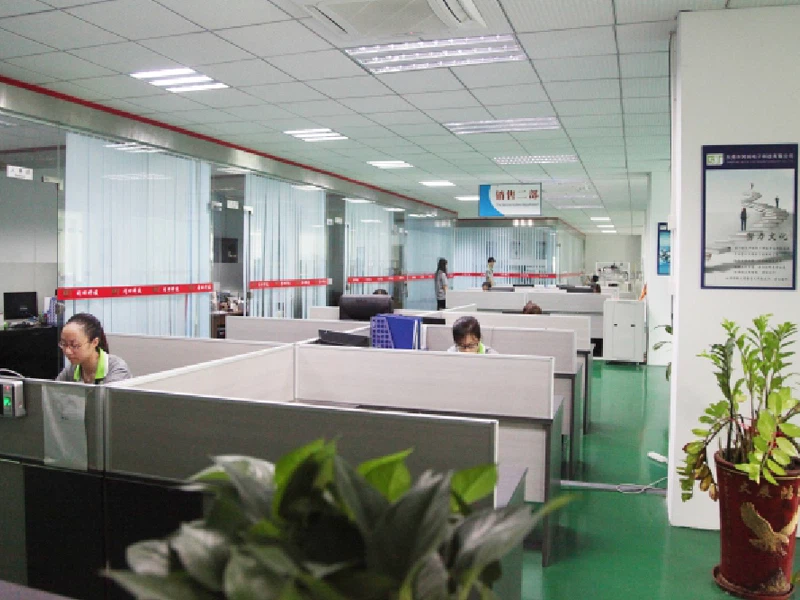
Our Factory
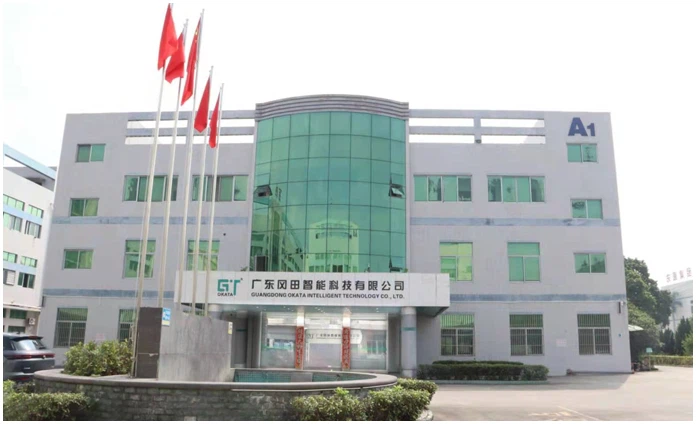
Okata has been adhering to the development philosophy of "integrity, professionalism, cooperation and mutual benefit" and is committed to building a century brand of high-end manufacturing. With the perfect balance of performance and price, we constantly pursue high-quality and high-efficiency products to serve both domestic and foreign customers, and ultimately become an outstanding enterprise respected by society.
Our products are widely used in electrical and electronics, high-end 3C products, 5G communications, automotive electronics, intelligent terminals, display, new energy, energy storage and other industries. We provide the most competitive solutions and cost-effective professional equipment for domestic and foreign well-known enterprises, and have successfully customized thousands of fully automatic production lines for customers.
FAQ
We're well-known as one of the leading welding machine manufacturers and suppliers in China. Please feel free to buy high quality welding machine for sale here from our factory. For more information, contact us now.
automatic welding machine for sealing nail, hot melt welding machine, automatic laser welding machine for capacitor