
Why choose us?
Modern techniques
We actively learn and adopt the advanced technology of various countries, combining the high precision of the new technology developed by our company, and according to the customer's problems, so as to develop automation equipment machines suitable for customers.
Fast delivery
After both sides sign the contract, all equipment will be delivered in 1-10 days except for non-standard equipment, which is determined on specific situation!
Safe and secure
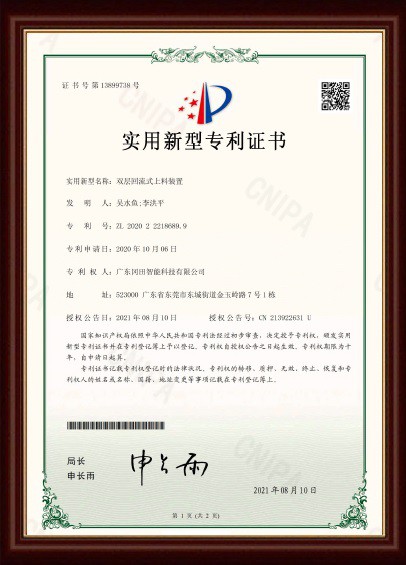
We have been certified as a national high-tech enterprise for many consecutive years and owns more than 70 patents, including more than 30 invention patents and software copyrights.
Strict quality control
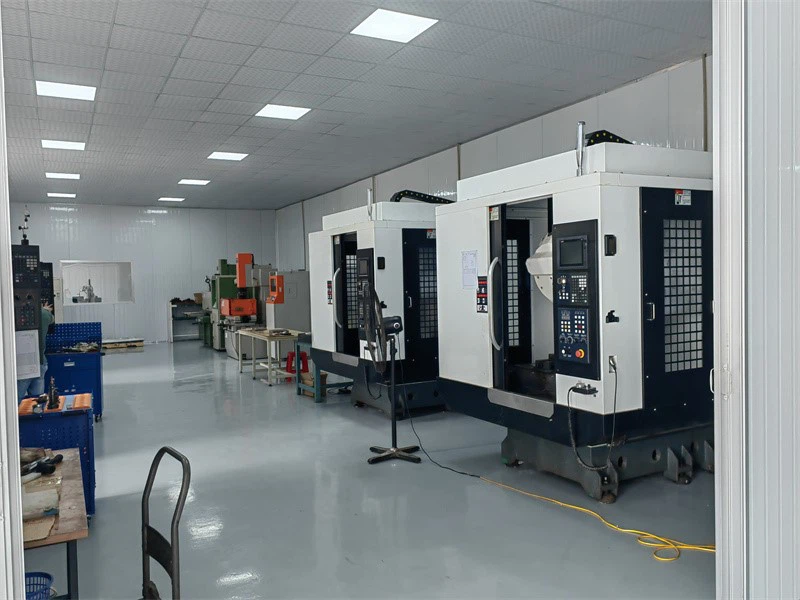
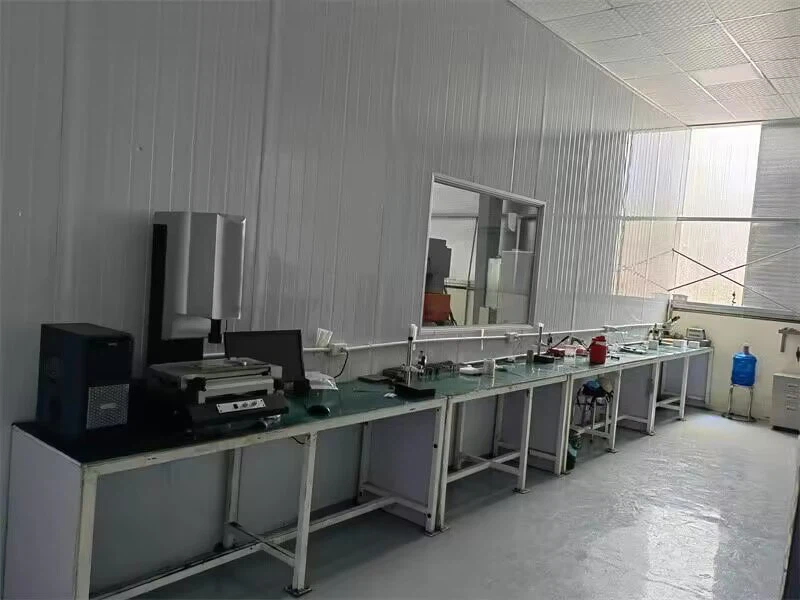
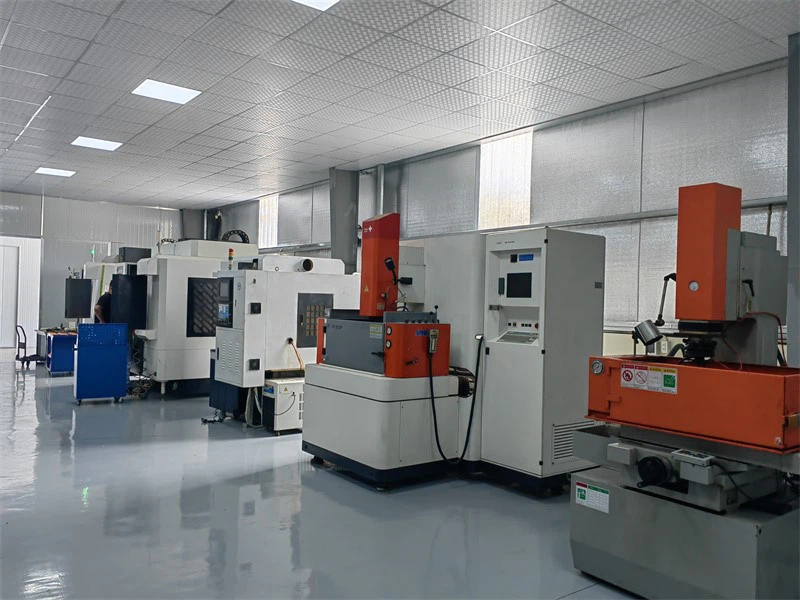
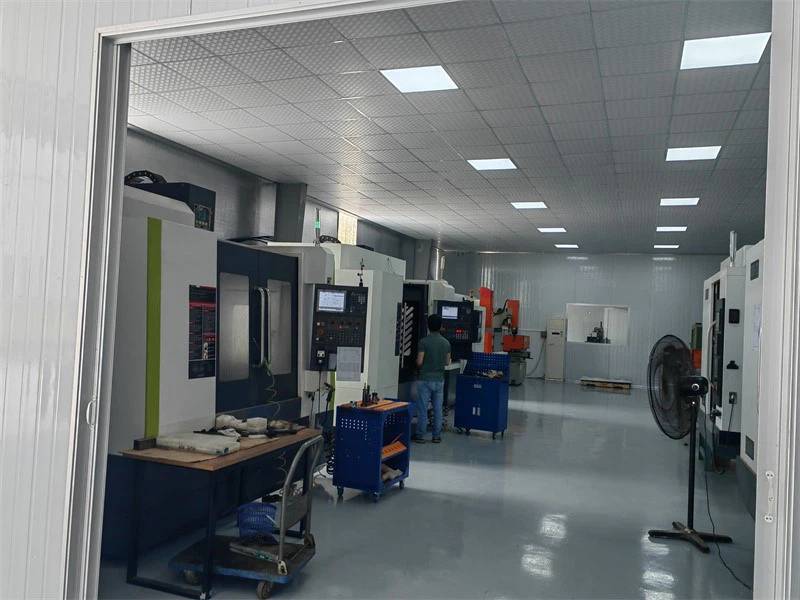
We have our own processing workshop and testing instruments. Our equipment testing process is strict, including raw material testing, production process testing, and joint testing by various departments before shipment, with layers of checking.
-
![Automatic Welding Line for Smoke Alarm Control Panel]() Automatic Welding Line for Smoke Alarm Control PanelThis equipment is an automatic production line for automatic welding and can be divided into two types: with and without cover (optional). The production line has the functions of automatic welding,read more
Automatic Welding Line for Smoke Alarm Control PanelThis equipment is an automatic production line for automatic welding and can be divided into two types: with and without cover (optional). The production line has the functions of automatic welding,read more -
![Motor Welding Line]() Motor Welding LineMotor welding line, born to meet diverse motor manufacturing needs. As a non-standard customized product, it takes high automation, flexible processes, high precision, and intelligent control as coreread more
Motor Welding LineMotor welding line, born to meet diverse motor manufacturing needs. As a non-standard customized product, it takes high automation, flexible processes, high precision, and intelligent control as coreread more -
![Automatic Welding Line for Air Conditioner]() Automatic Welding Line for Air ConditionerAutomatic welding line for air conditioner utilizes PLC to realize the information exchange between man and machine, and PLC controls the accurate, efficient and orderly action of the manipulator andread more
Automatic Welding Line for Air ConditionerAutomatic welding line for air conditioner utilizes PLC to realize the information exchange between man and machine, and PLC controls the accurate, efficient and orderly action of the manipulator andread more -
![Automatic Welding Production Line]() Automatic Welding Production LineGT-HJ351DX. Automatic welding production line is equipped with two double-head automatic soldering machines, one four-head automatic dispensing machine, one tunnel furnace, one set of automaticread more
Automatic Welding Production LineGT-HJ351DX. Automatic welding production line is equipped with two double-head automatic soldering machines, one four-head automatic dispensing machine, one tunnel furnace, one set of automaticread more


Automated welding is a form of automatic welding that uses electronically controlled tools and equipment to handle and welding applications with minimal human oversight. Interfaced with the welding power supply and wire feeders, the tools and equipment allow for precise manipulation of each welding parameter and close monitoring of weld performance. This level of precision and control can improve productivity, reduce defects, and decrease overall production costs. Typically, the process is used in easily repeatable processes with high volume.
Benefits of Automatic Welding Line
》One of the primary benefits of automated welding lines is improved quality and precision. Robotic arms are programmed to execute welds with unparalleled accuracy, eliminating human error and ensuring uniformity in the final product. This consistency leads to higher-quality welds, reducing the likelihood of defects and rework.
》Conveyors move workpieces along the assembly line, presenting them to the robotic arms at the appropriate times and locations. This seamless flow of materials minimizes downtime and maximizes throughput, resulting in higher productivity and lower manufacturing costs.
》Sensors play a crucial role in the operation of automated welding lines by providing real-time feedback on various parameters such as weld seam position, temperature, and quality. This data allows the system to make instantaneous adjustments, ensuring optimal weld integrity and reducing the need for manual intervention.
》The integration of automation technology in welding processes not only increases efficiency but also improves workplace safety by minimizing exposure to hazardous fumes, sparks, and heat associated with manual welding. Additionally, automated systems can operate continuously, 24/7, further enhancing productivity and reducing lead times.
》Another advantage of automated welding lines is enhanced productivity. These systems can operate continuously, 24/7, without the need for breaks or rest, leading to significant increases in throughput and output. Additionally, automated processes can perform tasks at a much faster pace than manual labor, reducing cycle times and increasing overall production efficiency.
》Cost savings are also a key benefit of automated welding lines. While the initial investment may be higher than traditional welding methods, the long-term savings in labor costs, material usage, and rework expenses can be substantial. Additionally, automated systems require less floor space and can be easily reconfigured to accommodate changes in production needs, further maximizing cost-effectiveness.
》Furthermore, automated welding lines improve workplace safety by minimizing the exposure of workers to hazardous welding environments. By replacing manual labor with robotic technology, companies can reduce the risk of injuries caused by welding fumes, sparks, and heat, creating a safer and healthier work environment for employees.
Types of Automatic Welding Line
This style of welding is also referred to as Metal Inert Gas (MIG). It uses a shielding gas along the wire electrode, which heats up the two metals to be joined. This method requires a constant voltage and direct-current power source, and is the most common industrial welding process which includes plate and large bore pipe.
Welding together thick sections of stainless steel or non-ferrous metals is the most common use for this method. It is an arc-welding process that uses a fixed consumable tungsten electrode to produce the weld. This process is much more time consuming than MIG, Stick or Flux Cored Arc Welding.
With this particular type of welding, the welder follows a manual process of stick welding. The stick uses an electric current to form an arc between the stick and the metals to be joined.
This was developed as an alternative to shield welding. The semi-automatic arc weld is often used in construction projects, thanks to its high welding speed and portability. This method has many variables making it applicable in a variety of welding projects. Variables often depend on the model of welder being used, and what type of wire was chosen for the application.
Application of Automatic Welding Line
Oil and gas industry:
Refineries play a crucial role in processing crude oil and natural gas into usable fuels and other valuable products. Automated welding technology can be used to streamline the construction and maintenance of refinery components, resulting in faster project completion times and more reliable infrastructure.
The complex structures and equipment within refineries, such as pressure vessels and heat exchangers, require specialized welding techniques to ensure durability and to withstand harsh operating conditions. Automated welding systems can perform these tasks with greater precision and consistency, contributing to increased efficiency and safety in refinery operations.
Building and infrastructure construction:
Steel is a common material used in the construction of buildings, bridges, and other infrastructure projects. Automated welding technology enables faster and more accurate construction of these structures, resulting in reduced project timelines and improved overall quality.
The construction of bridges and tunnels often involves complex welding tasks that require high levels of precision and quality. Automated welding systems can perform these tasks more efficiently and accurately than human welders, ensuring the structural integrity and longevity of these critical infrastructure components.
Automotive industry:
Automated welding plays a crucial role in the mass production of automobiles, as it allows for rapid and precise assembly of vehicle bodies. This technology not only enhances the efficiency of the production process but also ensures the consistency and quality of each vehicle produced. In addition, exhaust systems require precise welding to ensure proper functioning and compliance with emissions regulations.
Automated welding technology enables the accurate and efficient production of these systems, resulting in improved performance and reduced environmental impact.
Aerospace industry:
The aerospace industry demands exceptionally high-quality welds to ensure the safety and performance of aircraft. Automated welding systems can deliver the necessary precision and consistency required in this industry, leading to more reliable and durable aircraft.
Rockets and satellites require specialized welding techniques to withstand the extreme conditions of space. Automated welding technology can provide the necessary precision and quality for these critical components, ensuring the success of space missions and the longevity of satellite systems.
Manufacturing and fabrication:
Heavy machinery used in industries such as mining, agriculture, and construction requires strong and durable welds. Automated welding technology allows for the efficient and accurate production of these machines, ensuring their reliability and performance in demanding environments.
In the fabrication of sheet metal components for a wide range of industries, including automotive, aerospace, and consumer goods, automated welding systems enable the rapid and accurate production of high-quality parts, streamlining the manufacturing process and reducing lead times.
Components of Automatic Welding Line
Industrial robots
They are the workhorses of automated welding production lines, capable of performing a large number of welding tasks with unparalleled speed and precision. Collaborative robots (cobots) are increasingly used in these production lines to facilitate human-machine interaction and increase the flexibility of manufacturing operations.
01
Welding equipment
State-of-the-art welding equipment, including power supplies, welding guns and wire feeders, are seamlessly integrated into the production line to ensure optimal performance and reliability.
02
Sensors and vision systems
Advanced sensors and vision systems play a key role in guiding robot movement, checking welding quality in real time, and detecting defects with extremely high accuracy.
03
Control system
The centralized control system controls the operation of the automated welding production line, coordinates the movements of industrial robots, coordinates work processes, and optimizes production parameters to meet product quality standards.
04
Safety measures
When a machine fails, the system will stop operating in time and report an error based on the cause of the failure to ensure operator safety and compliance with industry regulations.
05
How to Maintain Automatic Welding Line
Understanding how your equipment operates
An essential asset to being able to inspect and evaluate your welding machine is having an understanding of its operation and the major elements that affect the process. This includes knowing how the weld head, wire feeder and liner, power supply, and controller work collectively to create the weld.
Knowing the operation lifecycle of devices and parts
Being aware of how long major and minor devices and parts should last before replacement is recommended by the manufacturer can be even more important than understanding how they operate. It may be tempting to try to exceed these recommendations, especially when no obvious wear and tear is evident, but this should be avoided as it can result in unexpected failures and downtime.


Knowing the turnaround time for major maintenance
Regardless of how well-built any piece of equipment is, major maintenance will be required at some point. The key is to anticipate this and schedule time for these inspections and overhauls so they are minimally disruptive. Awareness of the turnaround time for major maintenance activities minimizes disruptions.
Collaborating with the equipment manufacturer and/or service provider
One could argue that collaboration with your equipment manufacturer or service provider is the most important aspect of a good preventive maintenance program, because it enables you to make the best use of the expertise and advice from providers with a detailed knowledge of your equipment.
The Future of Automatic Welding Line
The future of welding automation will need to address the ever-decreasing availability of skilled welders and the ever-increasing need for faster and higher-quality production. However, there likely won’t be a one-size-fits-all solution. Depending on the industry and business scale, the future may utilize cobot systems or fully automated, large-scale automation.
Another issue stifling automation progress is the cost of these systems. That’s why innovative solutions like renting or leasing these machines are crucial. Pay as you go lets you immediately have net gains as you bid on projects that were previously beyond your reach because you didn’t have the necessary workforce.
Having the flexibility to bid on various projects and upscale/downscale your production is a competitive advantage that can make you stand out from other welding contractors. With the scarce welding force, it’s hard to run your business and jump from project to project with the confidence that you can do everything smoothly. But, the flexible, scalable, and collaborative welding automation systems can help your welding business stay ahead of the curve.
If you are the only local contractor who bids with faster completion times and/or with a favorable price, you can lead the way as a preferred welding business. That’s what the future of welding automation must provide to the welding businesses dealing with labor shortages and a demanding market.
Eventually, having automated welding systems running alongside manual labor may become a standard operative practice even in small welding shops. So, it’s wise to think about the future today. No industry is impervious to change. And adaptability is one of the essential tools at your disposal in an ever-changing industry like welding and fabrication.
Certifications



Our Factory
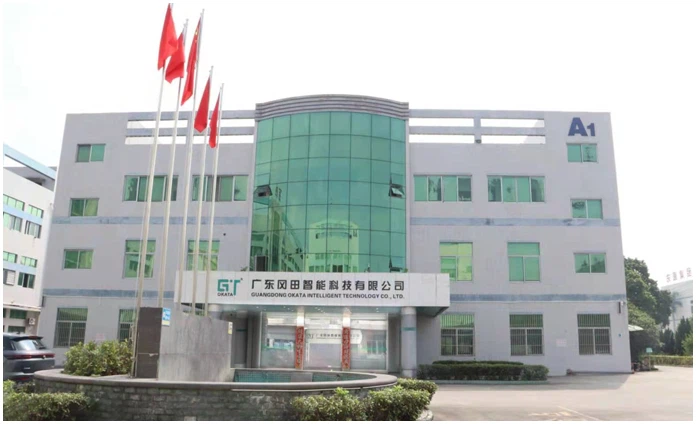
Okata has been adhering to the development philosophy of "integrity, professionalism, cooperation and mutual benefit" and is committed to building a century brand of high-end manufacturing. With the perfect balance of performance and price, we constantly pursue high-quality and high-efficiency products to serve both domestic and foreign customers, and ultimately become an outstanding enterprise respected by society.
Our products are widely used in electrical and electronics, high-end 3C products, 5G communications, automotive electronics, intelligent terminals, display, new energy, energy storage and other industries. We provide the most competitive solutions and cost-effective professional equipment for domestic and foreign well-known enterprises, and have successfully customized thousands of fully automatic production lines for customers.
FAQ
We're well-known as one of the leading automatic welding line manufacturers and suppliers in China. Please feel free to buy high quality automatic welding line for sale here from our factory. For more information, contact us now.
automatic welding line, automatic welding production line, automatic welding line for air conditioner