
Why choose us?
Modern techniques
We actively learn and adopt the advanced technology of various countries, combining the high precision of the new technology developed by our company, and according to the customer's problems, so as to develop automation equipment machines suitable for customers.
Fast delivery
After both sides sign the contract, all equipment will be delivered in 1-10 days except for non-standard equipment, which is determined on specific situation!
Safe and secure
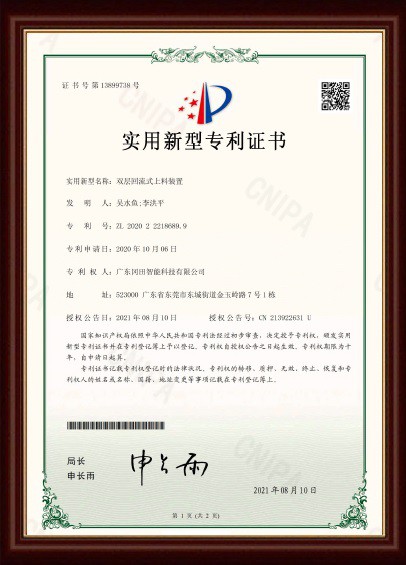
We have been certified as a national high-tech enterprise for many consecutive years and owns more than 70 patents, including more than 30 invention patents and software copyrights.
Strict quality control
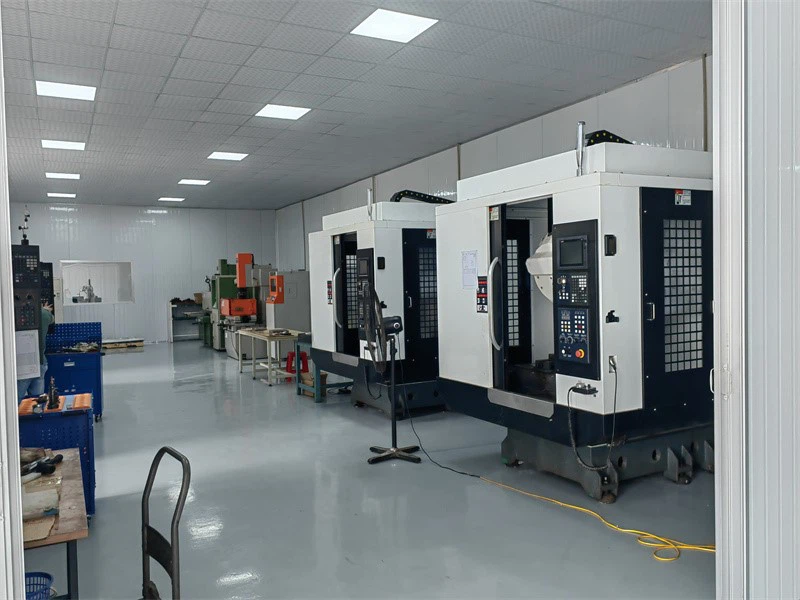
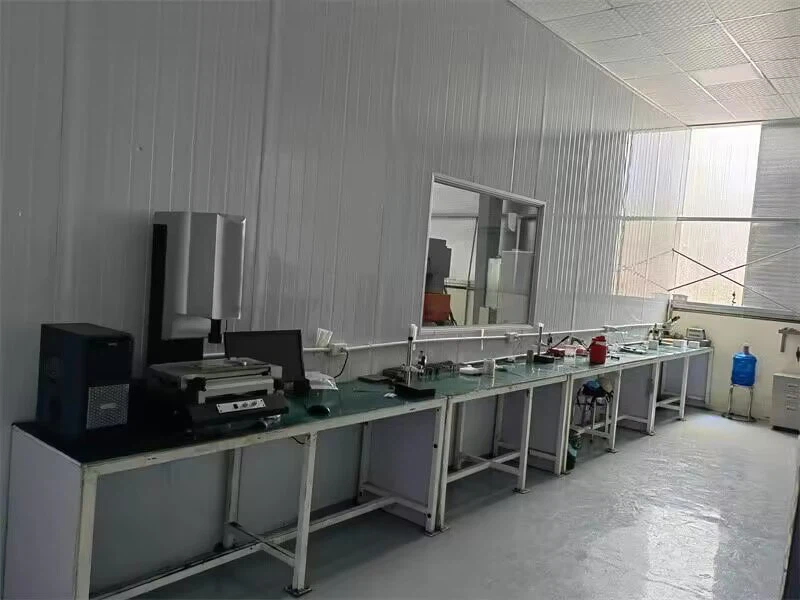
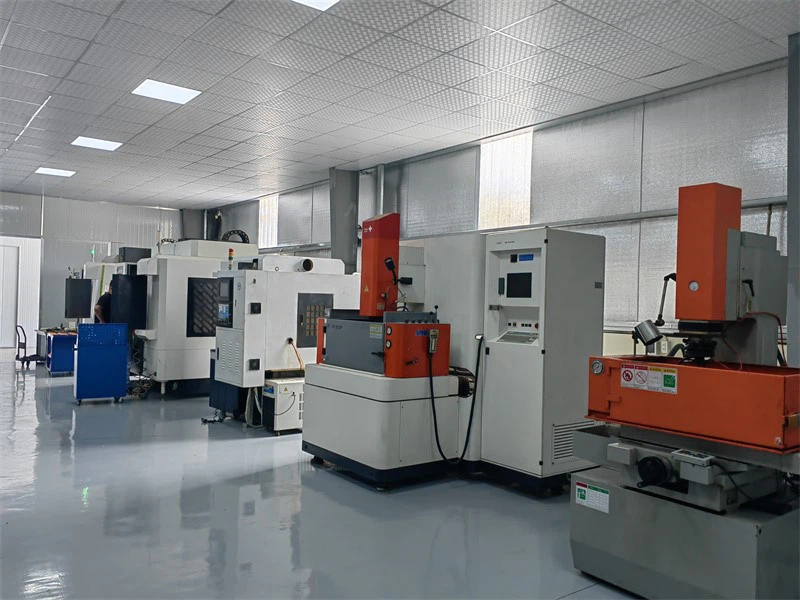
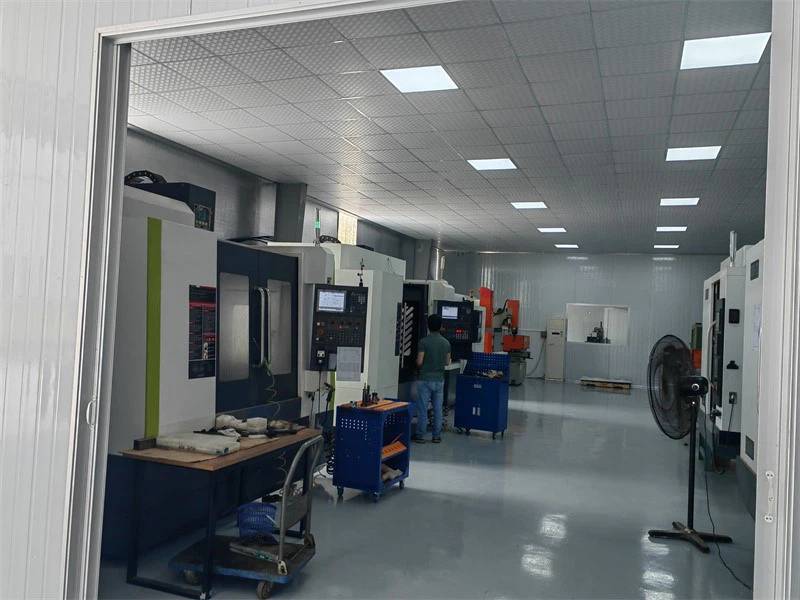
We have our own processing workshop and testing instruments. Our equipment testing process is strict, including raw material testing, production process testing, and joint testing by various departments before shipment, with layers of checking.
-
![Automatic Assembly Line for Charging Pile]() Automatic Assembly Line for Charging PileAutomatic assembly line for charging pile is mainly used in household appliances, suah as air conditioning, TV, rice cooker, induction cooker, electric heater coffee machine, etc.read more
Automatic Assembly Line for Charging PileAutomatic assembly line for charging pile is mainly used in household appliances, suah as air conditioning, TV, rice cooker, induction cooker, electric heater coffee machine, etc.read more -
![Automatic Assembly Line for Generators]() Automatic Assembly Line for GeneratorsThe main body consists of single-deck multiplier chain conveyor line, jacking transfer machine and other equipments. Multiplier chain conveyor line is also known as self-flowing conveyor system,read more
Automatic Assembly Line for GeneratorsThe main body consists of single-deck multiplier chain conveyor line, jacking transfer machine and other equipments. Multiplier chain conveyor line is also known as self-flowing conveyor system,read more -
![Automatic Assembly Line for Reversing Radar]() Automatic Assembly Line for Reversing RadarReversing radar, that is, reversing anti-collision radar, also known as parking assist device. Reversing radar is mainly composed of ultrasonic sensors, controllers and displays or buzzers.read more
Automatic Assembly Line for Reversing RadarReversing radar, that is, reversing anti-collision radar, also known as parking assist device. Reversing radar is mainly composed of ultrasonic sensors, controllers and displays or buzzers.read more -
![Automatic USB Assembly Line]() Automatic USB Assembly LineThe automatic USB assembly line supports computers, servers and printers to MP3 players, digital cameras and mobile phones and almost all devices that use storage products.read more
Automatic USB Assembly LineThe automatic USB assembly line supports computers, servers and printers to MP3 players, digital cameras and mobile phones and almost all devices that use storage products.read more -
![Automatic Assembly Line for Transformer]() Automatic Assembly Line for TransformerThe highest degree of automation in the industry transformer assembly and testing production line.read more
Automatic Assembly Line for TransformerThe highest degree of automation in the industry transformer assembly and testing production line.read more -
![Automatic Welding Assembly Line]() Automatic Welding Assembly LineThe automatic welding assembly line can realise multi-people loading and unloading, automatic inspection and automatic welding.read more
Automatic Welding Assembly LineThe automatic welding assembly line can realise multi-people loading and unloading, automatic inspection and automatic welding.read more -
![Suspension Assembly Line]() Suspension Assembly LineSuspension assembly line is a kind of three-dimensional space closed-loop continuous conveying system, which is suitable for the automatic conveying of piece goods inside and between workshops.read more
Suspension Assembly LineSuspension assembly line is a kind of three-dimensional space closed-loop continuous conveying system, which is suitable for the automatic conveying of piece goods inside and between workshops.read more -
![Automatic Assembly Line for Refrigerator]() Automatic Assembly Line for RefrigeratorAutomatic assembly line for refrigerator can realize the efficient combination of refrigerator production line parts assembling and conveying, door body and box body foaming, vacuum testing, productread more
Automatic Assembly Line for RefrigeratorAutomatic assembly line for refrigerator can realize the efficient combination of refrigerator production line parts assembling and conveying, door body and box body foaming, vacuum testing, productread more -
![Automatic Assembly Line for Downlight]() Automatic Assembly Line for DownlightThe automatic assembly line for downlight is an indispensable high-efficiency production equipment in modern lighting equipment manufacturing. It integrates cutting-edge mechanical technology,read more
Automatic Assembly Line for DownlightThe automatic assembly line for downlight is an indispensable high-efficiency production equipment in modern lighting equipment manufacturing. It integrates cutting-edge mechanical technology,read more -
![Automatic Assembly Line for Sockets]() Automatic Assembly Line for SocketsThis equipment is suitable for 86 type five-hole socket products assembly, integrated with automatic assembly, automatic detection, control, automatic transmission storage and other system processes.read more
Automatic Assembly Line for SocketsThis equipment is suitable for 86 type five-hole socket products assembly, integrated with automatic assembly, automatic detection, control, automatic transmission storage and other system processes.read more -
![Automatic Assembly Line for Charger]() Automatic Assembly Line for ChargerIn today's era of thriving electronics manufacturing, chargers, as indispensable accessories for various electronic devices, place critical importance on production efficiency and quality control.read more
Automatic Assembly Line for ChargerIn today's era of thriving electronics manufacturing, chargers, as indispensable accessories for various electronic devices, place critical importance on production efficiency and quality control.read more -
![Automatic Assembly Line for Voice Coil Motor]() Automatic Assembly Line for Voice Coil MotorThis equipment is used for stator, mover and final assembly of VCM.. It adopts standardized module design, which is convenient for adjusting and expanding work stations.. It mainly contains springread more
Automatic Assembly Line for Voice Coil MotorThis equipment is used for stator, mover and final assembly of VCM.. It adopts standardized module design, which is convenient for adjusting and expanding work stations.. It mainly contains springread more


Assembly line automation uses automated systems to carry out the various steps involved in the assembly process. These systems use advanced automation technology, including control systems, interfaces, modules, feeders, AGVs (Automated Guided Vehicles), and collaborative robots, to streamline production and ensure maximum efficiency.
Benefits of Automatic Assembly Line
Boost productivity
Automating assembly lines dramatically increases productivity, allowing machines to perform tasks quicker and more accurately than human workers. Plus, machines don’t need breaks, and they don’t sleep—therefore, running assembly lines 24/7 becomes a viable, more cost-effective option. If you’re looking for a massive surge in efficiency and output, the automation revolution offers it.
Delivering unwavering quality
Automated systems maintain consistent precision and eliminate human errors in the areas of exquisite workmanship and top-notch quality assurance, especially when it comes to custom automation in the automotive and transportation industries. Automation in these industries helps companies deliver products of unparalleled quality—every single time, making it one of the best reasons to automate your assembly lines. It’s fascinating to consider the enormous impact automation could have on your customer service and sales goals.
Reducing operational costs
While the initial investment in automation equipment might seem substantial, the long-term rewards are worth every penny. With machines taking over laborious and repetitive tasks, the cost of human labour drops significantly. Moreover, the increased speed and accuracy of automated systems lead to a decrease in waste materials. It’s a win-win situation: enhancing your bottom line while ushering in a new era of manufacturing efficiency.
Worker safety and satisfaction
Though people worry about automation taking our jobs, human workers are not machines. The repetitive nature of some assembly line tasks can take a toll on our bodies. It’s better for machines to take over these repetitive, debilitating tasks in the long run, allowing people to fill more meaningful roles.
The result is a happier, healthier workforce that can focus on more engaging tasks, like quality control and innovation. By embracing the myriad advantages of automation, you will significantly reduce the likelihood of workplace injuries.
Future-proof your business
Finally, it’s essential to understand that automation is not just a passing trend—it’s been around for decades, and it’s here to stay. Companies that adopt advanced automation solutions will attract the brightest talents and evolve with market demands. By overlooking automation and hesitating to implement this game-changing technology, your business could risk getting lost in the shadows of its more visionary competitors.
Types of Automatic Assembly Line
A fully automated production line describes equipment and systems that complete all or part of the process with machines and virtually little to no human intervention. In a fully automated production environment, employee involvement is typically limited to loading product recipes into the machine interface before supervising and monitoring the system for issues, such as part replenishment that requires loading product components into the respective feed systems.
Semi-automated systems employ more human intervention to initiate machine commands following the manual loading of parts into fixtures or other such tooling. This type of system can involve humans working side by side with automation. For example, some tasks require more dexterity than a human may be able to reasonably handle, so collaborative robotics and other such automation assistance systems can be added. In another example, employees may be in charge of moving parts or products from one assembly station to another, while more automated systems at these stations complete repetitive tasks.
Today, many manufacturers follow an overall lean manufacturing strategy, whereby automation is only added to steps in the assembly process where it will add value. In these systems, comprehensive studies are done to determine where automation adds value to the process and areas where it does not — these stations are stripped to basics relying on humans to carry out the tasks. Companies do not install technology such as robotics, vision, conveyance, or other systems in this type of automation unless they add value to the overall production line. Conversely, if automation adds value, then the manufacturers can choose to make the investment and adopt it. As an example, manufacturers who produce low volumes of select products would find that the capital investment required to add automation does not have a favorable return on investment (ROI), thereby making it more cost-effective for employees to move parts themselves or keep parts in one place instead of installing a high-speed robot to move them.
Continuous motion technology is a key component in high-throughput manufacturing automation. This assembly technology typically involves using mechanical or servo-based cams, tooling, and sometimes machine vision to optimize cycle time to attain high throughput speeds that could never be achieved through manual labor or semi-automatic automation. Benefits of continuous motion include higher system overall equipment effectiveness (OEE), reduced cycle time, and increased system throughput largely due to the optimized time for material transfers between subsequent assembly/process stations. Typically, manufacturers who make a consistent product, in which the assemblies are identical, benefit from integrating continuous-motion technology into their assembly lines. Advances in servo-based cam technology is expanding the possibilities of this technology into areas such as medical device assembly and filling applications requiring high-throughput — in these instances, continuous motion is growing.
Fixed, or hard, automation involves applications that use hard-tooled automation platforms that are made specifically for the product and generally do not allow flexibility due to the tooling being dedicated to a specific product. Fixed or hard automation is starting to see use of robotics, vision, and other technology as their price point has come down to justify their use in certain portions of the system; however, as these products also offer flexibility that really does not get used in these applications, it only makes sense to use them when their cost is in the realm of a hard-tooled station. This is largely because in a hard or fixed automation application, the way the product is assembled is done the same way every time. Typical applications also include material handling and related conveyance systems. These applications usually are much faster and more repeatable than traditional manual methods. However, operators must retool and reprogram the technology for each new product.
Comparatively, programmable or soft automation applications are known as flexible automation because they can adapt operations to new parts or products with little or no downtime due to preprogrammed recipes that allow ease of product changeover. As a result, these applications typically do not have output as high volume as fixed automation.
Application of Automatic Assembly Line
Automotive industry
Automatic assembly lines are extensively used in automotive manufacturing for welding, painting, and assembly applications of car components. Automatic assembly lines can perform repetitive tasks with high accuracy and speed, resulting in increased productivity and consistency. They can also handle heavy and hazardous tasks that would otherwise require human workers to use protective gear.
Electronics industry
The electronics industry heavily relies on automatic assembly lines for tasks such as pick-and-place operations, soldering, and inspection. Automatic assembly lines can handle small parts and components with high precision, reducing the risk of errors and improving quality control. They can also operate at high speeds, resulting in faster production cycles and reduced costs.
Food and beverage industry
Automatic assembly lines are used in the food and beverage industry for tasks like packaging, sorting, and inspection. Automatic assembly lines can handle delicate items such as eggs or fruits without damaging them. They can also operate in harsh environments, like refrigerated warehouses or high-temperature processing lines.
Pharmaceuticals industry
The pharmaceutical industry uses automatic assembly lines to dispense, label, and pack medicines. Assembly lines can also help with surgical procedures and automation in laboratories. Being able to handle hazardous materials and operate in sterile environments reduces the risk of contamination and improves overall safety.
Aerospace industry
One of the most notable applications of automatic assembly lines is in the aerospace industry. In the aerospace industry, automatic assembly lines can be used to drill, fasten, and assemble airplane components. Automatic assembly lines can handle large and heavy parts with high precision and speed. They operate in hazardous areas with toxic fumes or extreme temperatures. Automatic assembly lines can also be used to build space shuttles and satellites, where the tolerances are even tighter.
Components of Automatic Assembly Line
Robots
Robots are used to perform repetitive tasks, such as welding, painting, and assembly, with precision and speed. They can be programmed to perform complex sequences of actions and are often used in conjunction with other automation components.
AGVs / AMRs
These are autonomous vehicles that are used to transport materials and products within the assembly line. AGV/ AMRs are equipped with sensors and navigation systems that allow them to move safely and efficiently around the production facility.
Robotic arms
These are used to perform a variety of tasks, such as picking and placing parts, welding, and painting. Robotic arms are highly versatile and can be programmed to perform a wide range of tasks.
Conveyors
Conveyors are used to transport parts and components along the assembly line. They help streamline the flow of materials and reduce the need for manual handling. . Conveyor systems can be customized to fit the specific needs of the production process and can greatly improve efficiency and throughput.
Sensors and vision systems
These are used to monitor the assembly process and ensure that each step is carried out correctly. Sensors can detect defects in parts, while vision systems can identify parts and components and guide robots in performing tasks. Vision systems use cameras and sensors to identify and inspect parts as they move along the assembly line. They can be used to ensure that parts are assembled correctly and to detect defects or abnormalities.
Control systems and software
These are used to coordinate and manage the entire automation process. Control systems ensure that all components of the assembly line work together seamlessly, while software can be used to program and monitor the assembly process in real-time.
How to Maintain Automatic Assembly Line
Plan and schedule maintenance
One of the most important aspects of maintaining an automated assembly line is planning and scheduling preventive maintenance activities. Preventive maintenance involves inspecting, cleaning, lubricating, adjusting, and replacing parts and components before they fail or cause defects. By following a preventive maintenance schedule, you can reduce downtime, improve efficiency, extend equipment life, and prevent costly repairs. You should also keep a record of all maintenance tasks and their outcomes, as well as any spare parts and tools you need.

Monitor and diagnose performance
Another key practice for maintaining an automated assembly line is monitoring and diagnosing its performance. Monitoring involves collecting and analyzing data from sensors, controllers, software, and visual inspections to track the operation and output of the assembly line. Diagnosing involves identifying and locating the root causes of any deviations, errors, or malfunctions that may affect the quality or productivity of the assembly line. By monitoring and diagnosing your automated assembly line, you can detect and correct issues early, optimize settings and parameters, and prevent major breakdowns.
Train and empower operators
A third best practice for maintaining an automated assembly line is training and empowering your operators. Operators are the human interface between the assembly line and the product, and they play a vital role in ensuring its reliability and safety. Operators should be trained on how to operate, maintain, and troubleshoot the assembly line, as well as how to follow standard operating procedures and quality standards. Operators should also be empowered to report and resolve problems, suggest improvements, and participate in continuous improvement initiatives. By training and empowering your operators, you can enhance their skills, motivation, and ownership of the assembly line.

Update and upgrade technology
A fourth best practice for maintaining an automated assembly line is updating and upgrading your technology. Technology is constantly evolving and improving, and you should take advantage of the latest innovations and solutions that can enhance your automated assembly line. Updating and upgrading your technology may involve installing new software, firmware, or hardware, integrating new features or functions, or replacing obsolete or inefficient equipment. By updating and upgrading your technology, you can increase your automation capabilities, improve your quality and flexibility, and reduce your costs and risks.
Review and improve processes
A fifth best practice for maintaining an automated assembly line is reviewing and improving your processes. Processes are the set of activities, methods, and rules that govern how the assembly line operates and produces the product. Processes should be regularly reviewed and improved to ensure they are aligned with your goals, customer needs, and industry standards. Reviewing and improving your processes may involve conducting audits, assessments, or benchmarks, implementing best practices or standards, or applying lean or six sigma methodologies. By reviewing and improving your processes, you can eliminate waste, reduce variation, and increase value.

Communicate and collaborate
A sixth best practice for maintaining an automated assembly line is communicating and collaborating with your stakeholders. Stakeholders are the people or groups that have an interest or influence on your automated assembly line, such as management, engineers, technicians, suppliers, customers, or regulators. Communicating and collaborating with your stakeholders involves sharing information, feedback, and ideas, as well as coordinating actions and decisions. By communicating and collaborating with your stakeholders, you can ensure alignment, transparency, and accountability, as well as foster innovation and learning.
Certifications



Our Factory
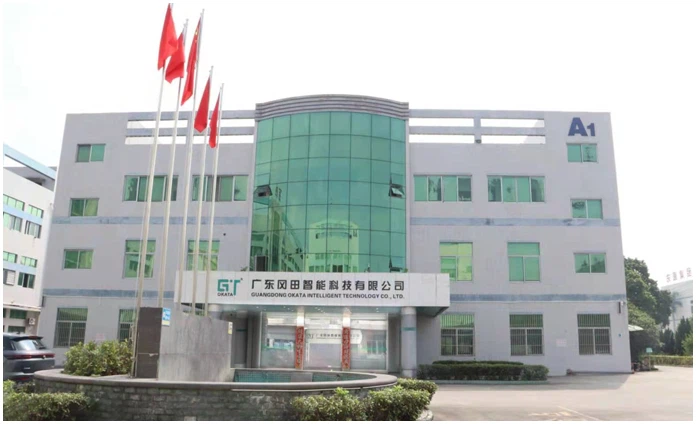
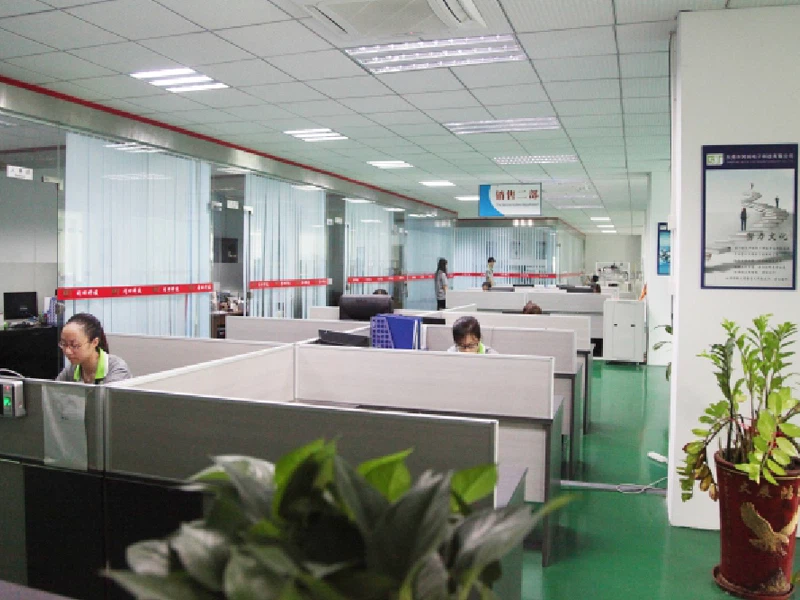
Okata has been adhering to the development philosophy of "integrity, professionalism, cooperation and mutual benefit" and is committed to building a century brand of high-end manufacturing. With the perfect balance of performance and price, we constantly pursue high-quality and high-efficiency products to serve both domestic and foreign customers, and ultimately become an outstanding enterprise respected by society.
Our products are widely used in electrical and electronics, high-end 3C products, 5G communications, automotive electronics, intelligent terminals, display, new energy, energy storage and other industries. We provide the most competitive solutions and cost-effective professional equipment for domestic and foreign well-known enterprises, and have successfully customized thousands of fully automatic production lines for customers.
FAQ
We're well-known as one of the leading automatic assembly line manufacturers and suppliers in China. Please feel free to buy high quality automatic assembly line for sale here from our factory. For more information, contact us now.
automatic assembly line for downlight, automatic assembly line for transformer, automatic assembly line for generators