
Company Profile
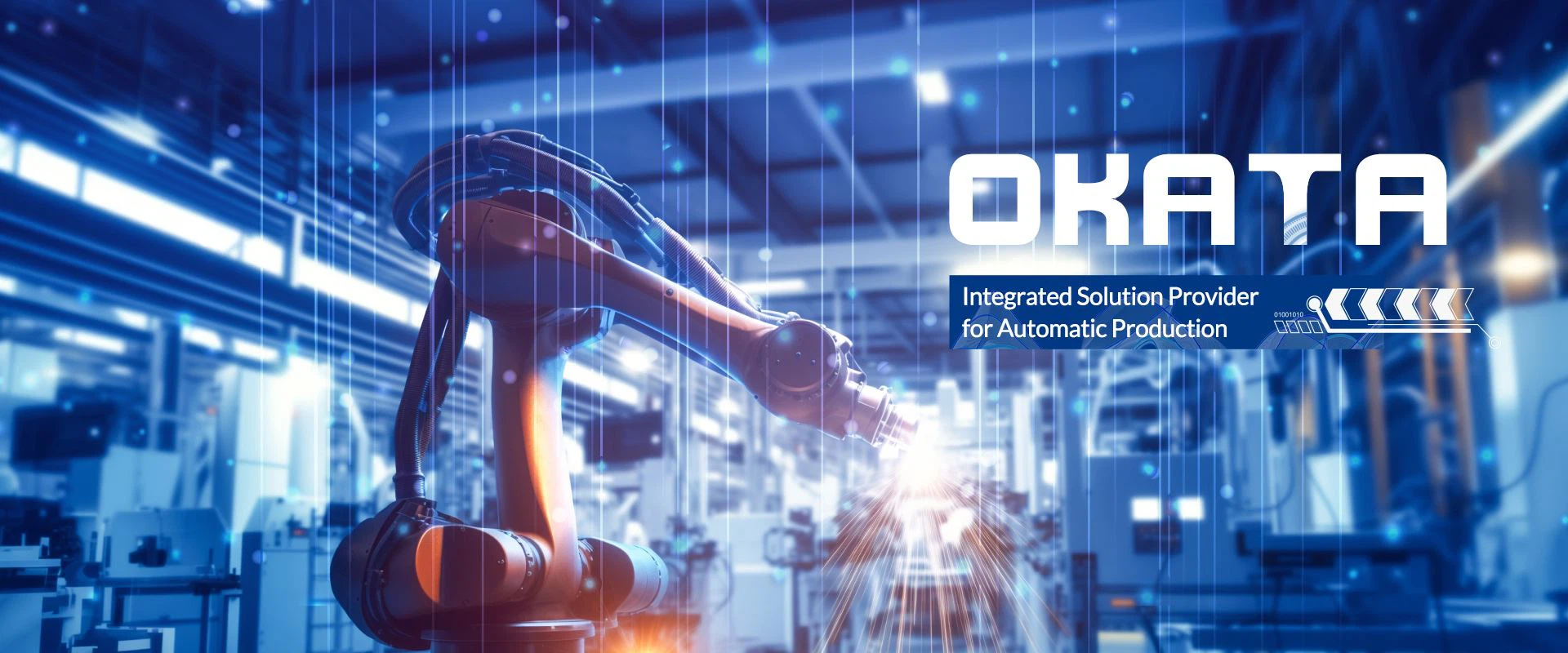
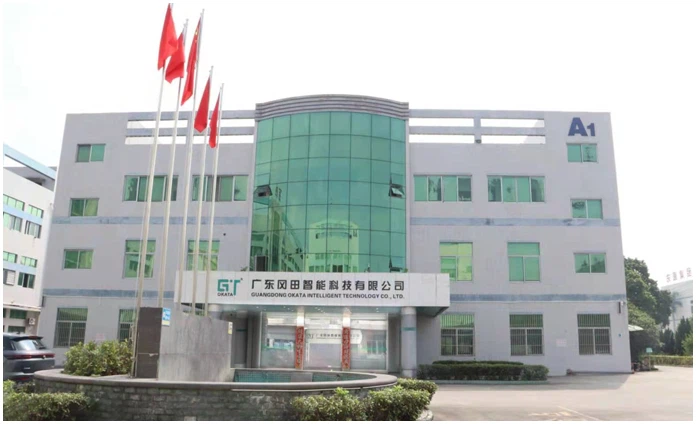
Established in 2005, Guangdong Okata Intelligent Technology Co., Ltd. is a national high-tech enterprise focusing on the research and development, production, sales and personalized customization of high-end intelligent manufacturing. We are headquartered in Dongguan, Guangdong, with a branch in Hai Phong, Vietnam and offices in Beijing, Shanghai and Nanjing.
With the core of "Intelligent Manufacturing, Smart Factory", we have developed a variety of automatic production lines, screw locking, intelligent welding, dispensing and coating, assembly and detection, intelligent logistics, intelligent warehousing, industrial information platform and other core technologies of intelligent manufacturing. At the same time, through "Internet +" model and "Industry 4.0", we integrate digital information technology to provide automatic logistics system, IoT induction system, manufacturing integrated information system, visualization workshop management system and other production digital software service, creating a one-stop smart factory solution.
Why choose us?
Modern techniques
We actively learn and adopt the advanced technology of various countries, combining the high precision of the new technology developed by our company, and according to the customer's problems, so as to develop automation equipment machines suitable for customers.
Fast delivery
After both sides sign the contract, all equipment will be delivered in 1-10 days except for non-standard equipment, which is determined on specific situation!
Safe and secure
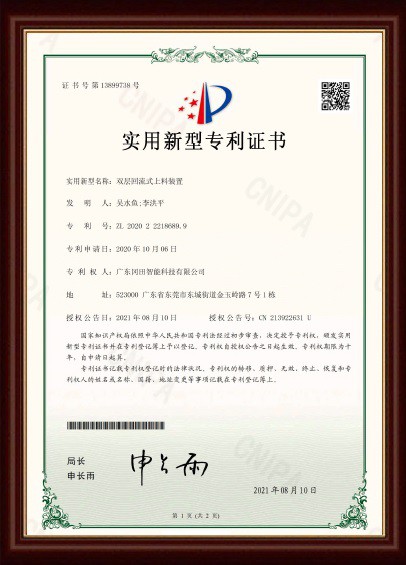
We have been certified as a national high-tech enterprise for many consecutive years and owns more than 70 patents, including more than 30 invention patents and software copyrights.
Strict quality control
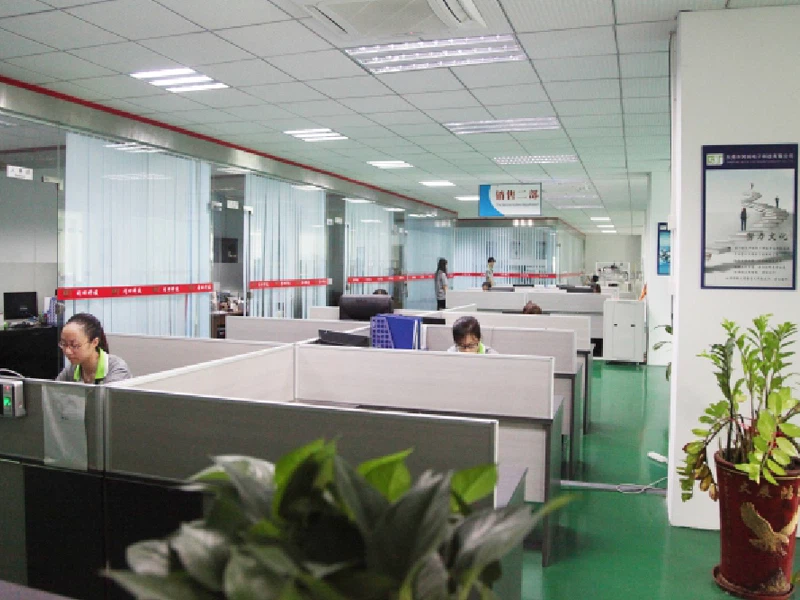
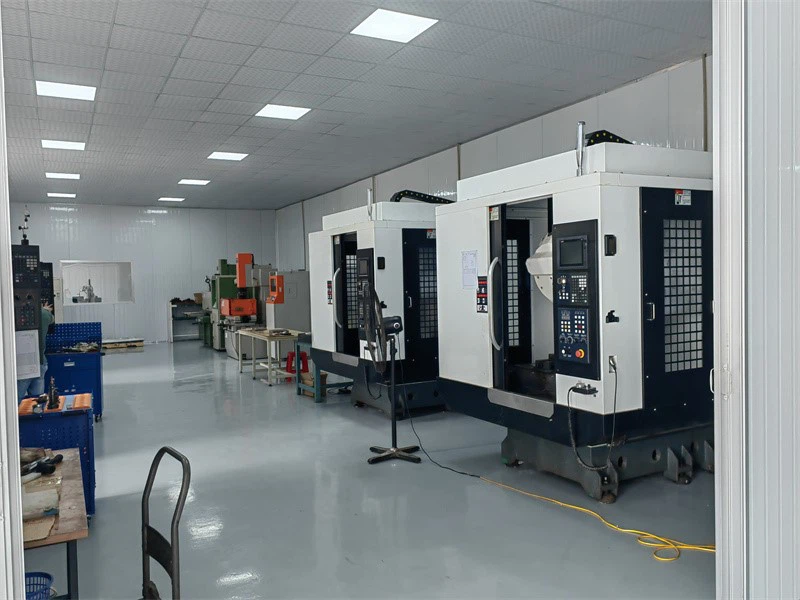
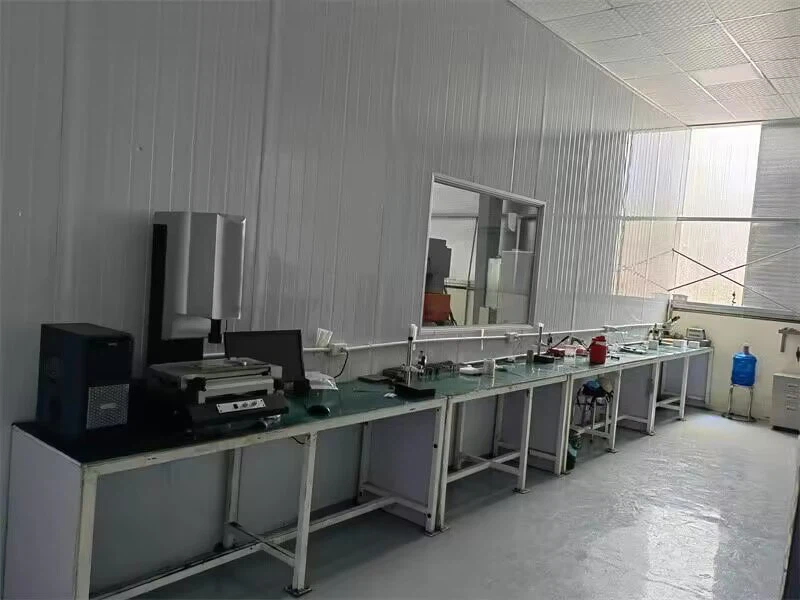
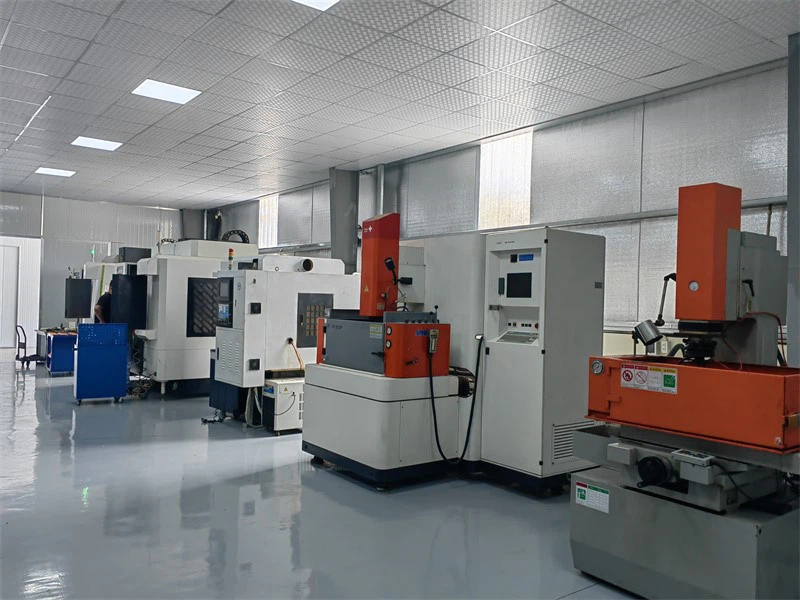
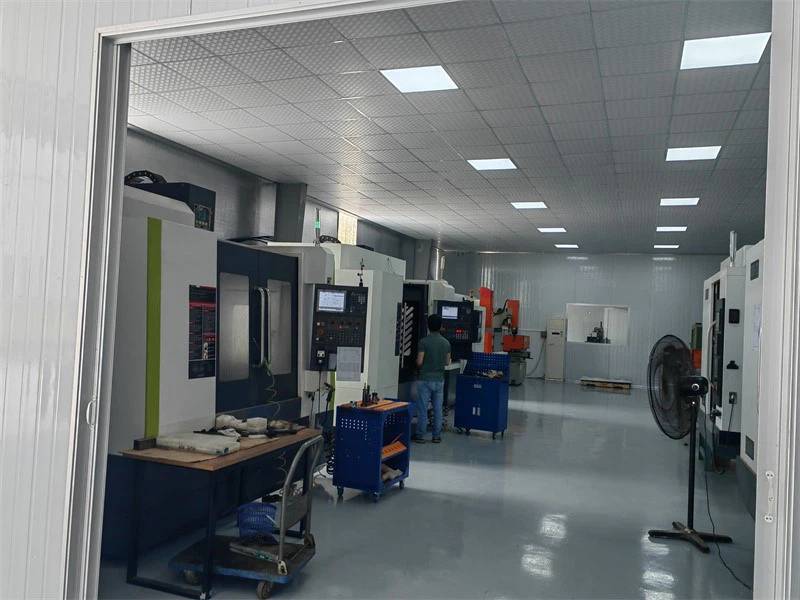
We have our own processing workshop and testing instruments. Our equipment testing process is strict, including raw material testing, production process testing, and joint testing by various departments before shipment, with layers of checking.
-
![Automatic 4-axis Soldering Robot]() Automatic 4-axis Soldering RobotThis machine is used for small parts assembly with high speed and accuracy. It has a maximum handling load of 6 kg, with optional arm lengths of 450 mm, 550 mm or 650 mm. Countertop, ceiling, andread more
Automatic 4-axis Soldering RobotThis machine is used for small parts assembly with high speed and accuracy. It has a maximum handling load of 6 kg, with optional arm lengths of 450 mm, 550 mm or 650 mm. Countertop, ceiling, andread more -
![Automatic 6-axis Soldering Robot]() Automatic 6-axis Soldering RobotHigh speed, high positioning accuracy and maximized productivity. Compact design and flexible configurationread more
Automatic 6-axis Soldering RobotHigh speed, high positioning accuracy and maximized productivity. Compact design and flexible configurationread more


A soldering robot is a fully automated system that performs a designated task, set by a custom program, with the utmost precision and repeatability. Each joint may have its own soldering profile. Base robots use our 150 watt power supply with a superior thermal feedback system. Nitrogen systems and vision alignment may also be added for the most challenging solder applications.
Benefits of Automatic Soldering Robot
Better quality
Industrial robots are accurate, consistent, and precise increasing the quality of soldering applications. Articulated robots are able to control parameters such as positioning, temperature, speed, and force. With manual soldering it is nearly impossible to control these parameters and replicate each exactly from part to part. Inconsistencies in manual soldering leads to defects, poor quality, and deviations.
Higher productivity
Industrial robots are able to take on a greater workload than humans because they are efficient. Six axis robots can run twenty-four hours increasing factory operation hours. Stoppages are a rare occurrence as they are programmed to move from part to part without delays or distractions. Their accuracy mitigates errors, preventing rework. All of these factors drive up productivity rates. Not only does productivity increase, but it also becomes more predictable with the consistency of robots. This allows for more accurate yield forecasts and budget planning.
Cost savings
Robotic soldering will save companies money in the long run. While investing in a robotic soldering system comes with an initial expense, the system will quickly capture its ROI. Soldering is a highly skilled process. Because of the great skill required it can be difficult to find workers who are qualified and most often have expensive salaries. Automating eliminates costs associated with labor including salaries, training, and benefits. The accuracy and consistency of robots prevents errors, scrapped materials/parts, and rework which further drives down production costs.
Increased safety for workers
Automating soldering provides a safer work environment for your employees. Manual soldering can be strenuous on workers causing muscle strain and fatigue. In addition, the high temperatures leave workers vulnerable to burns as well as the inhalation of toxic fumes. Robots do not have the same safety risks as humans, allowing them to safely automate soldering.
Ability to solder micro-components
In some industries, particularly the electronics industry, products are shrinking. Smaller products mean smaller components are needed to build them. Some of these components have become too small for manual soldering. However, robots are capable of soldering micro-components.
Faster cycle times
Robots can also solder workpieces in less time than when done manually. This is due to their fast operation speeds while also avoiding delays.
Types of Automatic Soldering Robot
Cartesian
This robot is typically used in bench top setups. It lends itself well to applications that require manual loading and unloading by an operator. Cartesian robots can offer high-end accuracy due to the simplicity and rigidity of their construction. This type of robot can also be scaled up for larger applications, however, it will fall short in applications that require intricate movement of the soldering head to work at angles. The cartesian—as its name suggests—is only able to move in the x, y, and z directions.
SCARA
The SCARA is a common choice for soldering applications because of its balance of reach, speed, and precision. This robot can move quickly from point to point and still maintain a good level of precision. It isn’t as scalable as the cartesian or six-axis robots and will struggle with dexterous movement applications. However, it’s typically a faster machine than the cartesian and the six-axis.
Six-axis
It’s not surprising to find the jack-of-all-trades on this list. The six-axis can be deployed in most applications—soldering included. However, this option is easily the most expensive of the three listed here. It’s overkill for most soldering applications. But for those tasks that require dexterous movement, the six-axis becomes an obvious choice.
A robotic soldering system works on assembly line automation by predefined soldering programs. There are some predefined features in a robotic soldering machine for various tasks like point soldering or line soldering. Each predefined task does the job perfectly without getting overheated and exhausted while maintaining quality.
The robotic soldering system does not require any manual assistance. It does all the required soldering steps itself. You won’t need to manually manage all the spattering, wet sponge, and soldering tasks yourself.
Robotic soldering system is programmed to do touch up solder spot from soldering bath, point soldering of the circuits, making connecting joints between PCBs, metal frames, and housing on the board. All the necessary soldering steps can be pre-coded in a good robotic soldering system. There are different kinds of soldering system machines depends on their multiple axis functioning.

Application of Automatic Soldering Robot
Electronics manufacturing
Automated soldering is the “glue” that keeps electronics assembly together. Soldering robots are used for soldering surface-mount and through-hole components on printed circuit boards (PCBs) common in smartphones, computers, and other electronic devices.
01
Auto industry
Automated soldering is necessary for reliable connections in automotive electronics, sensors, and control systems found in modern vehicles.
02
Aerospace and defense
Automated soldering guarantees the precision and quality required for critical electronics in aircraft, satellites, and defense systems.
03
Medical devices
Automated soldering has the accuracy and consistency needed for the delicate components and complex circuit boards found in medical devices.
04
Consumer goods
Automated soldering streamlines the production of a wide range of consumer products, from home appliances to wearable technology, where reliable electrics are de rigueur.
05
The global automatic soldering robot market is expected to experience significant growth in the coming years, driven by the increasing demand for automated and efficient soldering processes in various industries. The market is projected to expand at a CAGR of 8.6% from 2021 to 2026, reaching a value of $345.7 million by the end of the forecast period. The growing adoption of automatic soldering robots in the electronics and automotive industries, as well as the surge in demand for high-quality and precise soldering in manufacturing operations, are key factors driving market growth.
Key players in the automatic soldering robot market are focusing on developing advanced solutions to meet the evolving needs of end-users. Technological advancements, such as the integration of artificial intelligence and machine learning algorithms in automatic soldering robots, are expected to drive market growth further. Additionally, the increasing trend of industry 4.0 and the growing emphasis on automation and robotics in manufacturing processes are creating lucrative opportunities for market players. However, factors such as high initial investment costs and the lack of skilled professionals to operate automatic soldering robots may hinder market growth to some extent. Overall, the automatic soldering robot market is poised for significant growth, driven by the increasing demand for efficient and precise soldering processes across various industries.
How to Maintain Soldering Tips of Automatic Soldering Robot
》Use sponge to clean the soldering head before soldering. If the tinned part of the soldering iron head contains black oxide, a new tin layer can be plated, and then the soldering iron head can be wiped clean with a wet cleaning sponge. Repeat the cleaning until the oxide is completely removed, and then apply a new tin layer. And regularly clean the iron head.
》When using the soldering tip for the first time, make sure to adjust the temperature of the soldering tip to 220 ℃, and let the tin part of the tip fully eat tin. It's better to soak it in the tin pile for 5 minutes, then scrub it on the cleaning sponge, and adjust the temperature of the soldering iron to 300 ℃ again. Repeat the above procedure, and finally adjust the temperature of the soldering iron to the required temperature. The purpose is to form a comprehensive protective film on the solder head to prevent it from being oxidized at high temperature, resulting in heat transfer failure.
》Select the appropriate temperature, too high temperature will weaken the function of the iron head, accelerate its oxidation, and relatively shorten the service life. It is suggested that the first heating temperature should not be too high (260 ℃) ° Cover the soldering iron head with tin to remove the oxide. In the case of operation, try to use lower temperature, lower temperature can also be fully welded, and can be divided into protection for temperature sensitive components. General we advocate the use of temperature 350 ~ 380 degrees. 350 ~ 360 degrees for small solder joints below 1.5mm and 370 ~ 380 degrees for large solder joints above 2.5mm.
》If it is not used, turn off the power supply, clean the soldering tip on the cleaning sponge, and then put on a new layer of tin. Before reuse, clean the soldering tip on the cleaning sponge, and then put on a new layer of tin. Do not add any compound on the tin surface.
How to Choose the Right Automatic Soldering Robot
The board size of the soldering robot is important to consider because it will determine the workpiece that your robot can handle. If you have a large circuit board that needs to be repaired, for example, but your soldering robot only has a small board, it will not be able to complete the job.
The robot should be able to handle both the boards you have currently and the future ones. A feature you can then look for is a soldering robot with a double-drawer capacity. The robot can work on large boards or separately on smaller boards.
You want to save time teaching your soldering robot what to do. Look for a system with an easy-to-use, intuitive user interface for fast programming.
Some systems, such as the standard soldering robot include a camera with dynamic mapping and matching capability. This feature allows the programmer to teach the robot the process once for repeatability. Once the robot is programmed, anyone can run it efficiently, regardless of skill level.
Consider the range of current and future applications your soldering robots can accomplish and the cost they can incur. Then, look at how much it will cost to replace or upgrade the various applications.
The core component of the robot is the soldering iron, which you need to check if it is suitable for your current and future needs. Further, opting to use soldering robots more means creating solder joints and using more soldering tips. Suppose the robot uses an expensive soldering tip series. In that case, it becomes a prohibitive operating cost for your system.
There are several types of soldering. Different soldering jobs require specific solders based on the part. In addition, you may need a specific flux and soldering method for your assembly line. Therefore, you should look for tooling to add to your soldering robot that supports production. Soldering robots also have different options for soldering heads.
Your choice should include the proper tools and flux for the soldering process. A wrong choice can change your final component, leading to undesired results or part failure.
Certifications



Our Factory
Okata has been adhering to the development philosophy of "integrity, professionalism, cooperation and mutual benefit" and is committed to building a century brand of high-end manufacturing. With the perfect balance of performance and price, we constantly pursue high-quality and high-efficiency products to serve both domestic and foreign customers, and ultimately become an outstanding enterprise respected by society.
Our products are widely used in electrical and electronics, high-end 3C products, 5G communications, automotive electronics, intelligent terminals, display, new energy, energy storage and other industries. We provide the most competitive solutions and cost-effective professional equipment for domestic and foreign well-known enterprises, and have successfully customized thousands of fully automatic production lines for customers.
FAQ
We're well-known as one of the leading automatic soldering robot manufacturers and suppliers in China. Please feel free to buy high quality automatic soldering robot for sale here from our factory. For more information, contact us now.
automatic 4 axis soldering robot, , automatic soldering robot