

Why choose us?
Modern techniques
We actively learn and adopt the advanced technology of various countries, combining the high precision of the new technology developed by our company, and according to the customer's problems, so as to develop automation equipment machines suitable for customers.
Fast delivery
After both sides sign the contract, all equipment will be delivered in 1-10 days except for non-standard equipment, which is determined on specific situation!
Safe and secure
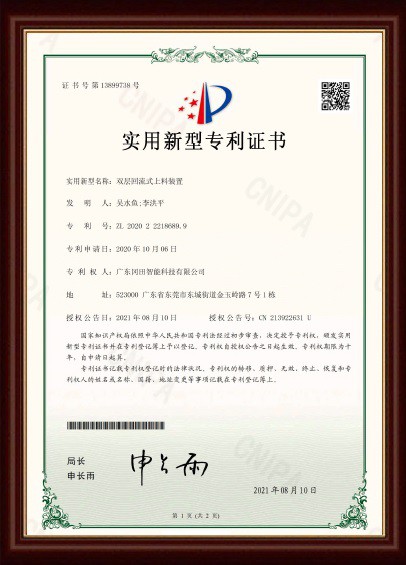
We have been certified as a national high-tech enterprise for many consecutive years and owns more than 70 patents, including more than 30 invention patents and software copyrights.
Strict quality control
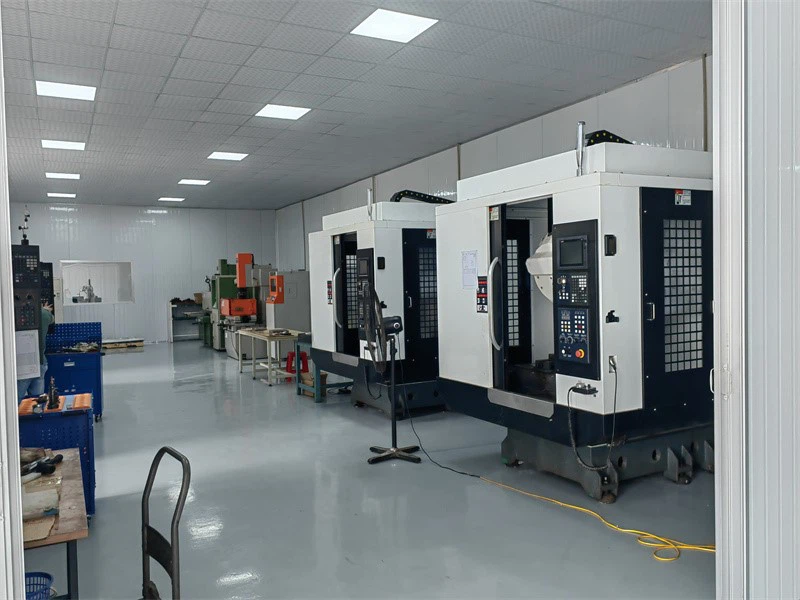
We have our own processing workshop and testing instruments. Our equipment testing process is strict, including raw material testing, production process testing, and joint testing by various departments before shipment, with layers of checking.
-
![Intelligent Logistics AGV]() Intelligent Logistics AGVIn modern logistics systems, the application of intelligent equipment has become crucial for enhancing efficiency and reducing costs. The OKATA 2.0 Intelligent Logistics AGV, an unmanned automatedread more
Intelligent Logistics AGVIn modern logistics systems, the application of intelligent equipment has become crucial for enhancing efficiency and reducing costs. The OKATA 2.0 Intelligent Logistics AGV, an unmanned automatedread more -
![Load Transfer AGV]() Load Transfer AGVLoad Transfer AGV, an efficient assistant for intelligent logistics and production, is specifically designed for lightweight material handling with a maximum load capacity of 300kg. Featuring highread more
Load Transfer AGVLoad Transfer AGV, an efficient assistant for intelligent logistics and production, is specifically designed for lightweight material handling with a maximum load capacity of 300kg. Featuring highread more -
![Transfer AGV]() Transfer AGVTransfer AGV is designed to automatically transport items to a specified location by navigating through special landmarks. The most common guidance methods are magnetic stripe guidance, laserread more
Transfer AGVTransfer AGV is designed to automatically transport items to a specified location by navigating through special landmarks. The most common guidance methods are magnetic stripe guidance, laserread more


Automatic guided vehicle systems, also known as an AGV system, otherwise known as an automated guided vehicle, autonomous guided vehicles, or even automatic guided cart, is a system that follows a predestined path around a facility. An AGV automated guided vehicle is a motorized vehicle that carries a load through either an assembly, manufacturing, or warehousing facility. An AGV can take on any form a customer requires to best address their application needs.
Benefits of Automatic Guided Vehicle
Reduced costs
Warehouses with large numbers of employees can be expensive to operate. Automated systems can reduce the costs associated with staffing, including costs associated with hiring, training, and managing staff.
Improved accuracy
Robots tend to be more accurate. It has a lower error rate when performing repetitive tasks such as moving items from one place to another within a warehouse facility.
Improved productivity
AGVs can move around quickly and efficiently, making them an essential part of any busy warehouse operation. This means that you’ll be able to get more done during each shift than would otherwise be possible with manual labor alone.
Reduce risk
Warehouse robots can handle tasks humans cannot do safely or efficiently, such as lifting heavy items and driving forklifts. This eliminates the need for manual labor in warehouses and improves safety.
Avoid manual labour
Warehouse robots perform repetitive tasks without getting tired or needing breaks, allowing them to work 24/7 without requiring additional human resources.
Types of Automatic Guided Vehicle


Cart AGV:
Cart AGVs are like the hard workers of moving stuff in warehouses and factories. They have a flat surface to put things on and are really good at carrying stuff of different sizes and weights. They can handle items from a few kilograms to several tons. These AGVs are also smart; they can see obstacles and avoid them using technology like LiDAR, which makes sure they move safely even when things change around them.
Forklift AGV:
When you need to move big, heavy stuff on pallets or in boxes, robot forklifts are a great choice. These AGVs work a lot like regular forklifts, with arms to lift and carry really heavy things. They can carry loads from about 1,000 kilograms to over 10,000 kilograms, making them perfect for warehouses and places where things are sent out. When you use them with Warehouse Management Systems (WMS), it helps plan the best way to load stuff, find the right route, and keep track of everything in the warehouse. This makes warehouses work better.
Towing AGV:
When you need to move many carts or equipment at once, Towing AGVs are a big help. They’re made to pull other things behind them, making it easy to move stuff around. These AGVs can connect to and disconnect from the things they’re towing all by themselves, which makes them flexible and adaptable. To choose the right Towing AGV, you need to think about how many carts or equipment you want to tow and how heavy they are.
Unit Load AGV:
Unit Load AGVs are pros at moving things like pallets or containers. They’re often seen in warehouses, distribution centers, and factories, where they make moving stuff around more efficient. These AGVs can carry different weights, from a few kilograms to several tons, and they fit right into your existing racks or storage systems. Some even use RFID technology to automatically know what’s on the pallets or in the containers, which helps with keeping track of things.
AMR (Autonomous Mobile Robot):
Autonomous Mobile Robots (AMRs) are super versatile in AGV technology. They use smart sensors, mapping, and AI to move around on their own, even in changing places. AMRs can do lots of jobs, like moving things and picking orders. To pick the right AMR, think about what you need it to do, like general moving or special tasks. Check how well it can navigate, how long the battery lasts, and if it works with your software.
Outdoor AGV:
Outdoor AGVs are made to work in challenging places like construction sites, ports, or outdoor storage yards. They are strong and can carry heavy things, even in bad weather. Some use GPS to find their way in large open areas. When choosing an Outdoor AGV, think about the outdoor tasks you need it for, how much weight it can carry, how tough it is, and if it can handle rough weather.
Mobile Picking Robot:
Mobile Picking Robots are special AGVs for filling orders and picking things in warehouses or online stores. They have robot arms or grippers to grab individual items or small packages very precisely. They use smart machine vision and AI to pick things accurately and fast. To pick the right Mobile Picking Robot, think about the size and weight of the things you’re picking. Check if it can carry the weight, how it grabs things, and if it works with your inventory system and current processes.
Application of Automatic Guided Vehicle
Manufacturing
Manufacturing holds 70% of the AGV market, using them for material, work, and product transport. As a result, AGVs have been driving the creation of smart factories. Companies like Mitsubishi Electric are using AGVs in its smart factories to boost productivity and shift labor to higher-value tasks.
Warehouses
Warehouses heavily depend on AGV integration with Warehouse Management Systems (WMS). AGVs are also used for logistics like inventory, order picking, and moving goods. AGVs aid in quality control by analyzing finished products for consistency. Firms like Walmart adopt warehouse automation to enhance workflows, automating tasks like order picking and loading/unloading trucks.

Automotive
In automotive manufacturing, AGVs optimize logistics and production. For example, AGVs like automated forklifts can transport materials and aid assembly line processes. Organizations like Nissan are deploying AGV fleets in their assembly plants to boost efficiency, reduce congestion, and reallocate labor.
Agriculture
AGVs navigate in manufacturing and warehouses and are crucial in modern agriculture. They enhance efficiency, precision, and intralogistics in farming. AGVs and AMRs (Automated Mobile Robots) automate tasks like planting, harvesting, and crop maintenance with specialized tools or robotic arms.
AGV transportation equipment is an indispensable equipment in the logistics and warehousing industry, which can help companies achieve automated operations and reduce corporate costs. However, for the application of AGV, everyone should pay attention to the AGV system to ensure its use value. Here we will take a look at the knowledge of the composition of the AGV system.
The AGV system is mainly composed of the logistics upper-level dispatch system, the AGV ground control system and the AGV vehicle control system. The three assist each other to achieve automated transportation.
AGV logistics upper-level scheduling system: It is mainly adjusted according to the actual transportation situation of the equipment to meet the needs of users. If the equipment is running for a long time, the internal parts of the equipment will have problems such as offset, which will cause the equipment to fail to operate normally. The dispatch system can adjust the problems of the equipment in time to ensure that the equipment can operate efficiently.
AGV ground control system: it belongs to the fixed equipment of the entire system, and its main work is task allocation, vehicle scheduling, route management, etc., to ensure that the equipment can operate in a reasonable and standardized manner. If the direction of the transportation equipment is not clear during transportation, the control system will automatically adjust to indicate the correct transportation route for the equipment to ensure that the transportation is correct.
AGV vehicle-mounted control system: This system is mainly responsible for receiving instructions and realizing functions such as loading and unloading operations. In the process of equipment transportation, the goods need to be uninterruptedly loaded and unloaded, and the equipment needs to receive instructions during the process of loading and unloading to realize the transportation.
In fact, the three AGV systems are the parts that cannot be ignored in the operation of the equipment. Only a complete system can guarantee the application value of the equipment. AGV is a modern and new type of transportation equipment, which mainly provides transportation services for the warehousing and logistics industry. Users need to be cautious when choosing efficient transportation equipment, and at the same time check the completeness of the equipment system to ensure that the equipment meets the actual application requirements and achieves the ideal use effect.
There are many types of transport trolleys on the market. Different types of transport trolleys have different types. Users must pay attention to their own actual needs and trolley systems when selecting equipment, so as to avoid the selected equipment cannot meet the actual application requirements.
How to Maintain Automatic Guided Vehicle
One of the best practices for maintaining AGV systems is to schedule regular maintenance based on the manufacturer's recommendations and the usage patterns of the vehicles. A preventive maintenance plan can help you avoid costly and disruptive failures, extend the life span of the vehicles, and ensure compliance with safety and quality standards. You should also keep a record of the maintenance history of each vehicle, including the date, time, type, and result of the service.
Another best practice for maintaining AGV systems is to inspect the critical components of the vehicles, such as the batteries, tires, sensors, motors, and controllers, for any signs of wear, damage, or malfunction. You should check the battery level, voltage, and temperature regularly, and replace the batteries when they reach their end of life. You should also monitor the tire pressure, tread, and alignment, and rotate or replace the tires as needed. Moreover, you should test the sensors, motors, and controllers for accuracy, responsiveness, and functionality, and calibrate or adjust them if necessary.
A third best practice for maintaining AGV systems is to clean the vehicles regularly to remove any dust, dirt, grease, or debris that may affect their performance or cause damage. You should use a soft cloth, a mild detergent, and water to wipe down the exterior of the vehicles, and avoid using any abrasive or corrosive materials that may scratch or corrode the surface. You should also use compressed air or a vacuum cleaner to remove any dust or dirt from the interior of the vehicles, especially from the electrical and mechanical parts.
A fourth best practice for maintaining AGV systems is to repair any defects or faults that may occur in the vehicles as soon as possible, to prevent further damage or downtime. You should follow the manufacturer's instructions and use the appropriate tools and spare parts to fix the problems. You should also isolate the affected vehicles from the rest of the system, and notify the operators and managers of the issue and the estimated time of repair. Additionally, you should analyze the root cause of the defect and implement corrective actions to prevent recurrence.
A fifth best practice for maintaining AGV systems is to upgrade the software of the vehicles and the system regularly, to take advantage of the latest features, improvements, and security updates. You should consult the manufacturer or the vendor for the availability and compatibility of the software updates, and follow their guidelines for installing and testing them. You should also backup the data and settings of the vehicles and the system before upgrading, and restore them if needed. Furthermore, you should train the operators and managers on how to use the new software and its functions.
How Automatic Guided Vehicle Works
AGVs are designed to follow pre-defined paths or guidance systems within a facility. These paths can be determined by physical means such as magnetic tape, wires, or optical lines, or through more sophisticated methods like laser navigation using pre-installed reflectors.
Navigation and guidance
AGVs navigate through environments using various guidance technologies, including:
Magnetic tape or wire: AGVs follow a path defined by magnetic tape or a wire embedded in the floor. The vehicle detects the magnetic field or electrical signal to follow the predetermined route.
Laser navigation: AGVs equipped with laser navigation use reflectors placed around the facility. The AGV emits laser beams that bounce off these reflectors, and the vehicle calculates its position based on the time it takes for the light to return.
Optical navigation: This method involves AGVs following visual markers or lines painted on the floor.
Inertial navigation: AGVs use gyroscopes and accelerometers to track their movement from a known position, allowing them to navigate based on calculated changes in position over time.
GPS navigation: In outdoor applications, AGVs can use GPS for navigation, although this is less common in indoor settings due to limited satellite signal reception.
Obstacle detection and safety
AGVs are equipped with sensors and safety mechanisms to detect obstacles and ensure safe operation. Common safety features include:
Lidar and ultrasonic sensors: These sensors detect obstacles in the AGV's path and can trigger the vehicle to slow down or stop to avoid collisions.
Bumpers: Physical bumpers may trigger an emergency stop if the AGV comes into contact with an object or person.
Emergency stop buttons: Manual stop buttons allow humans to immediately stop the AGV if necessary.
Communication and control
AGVs are part of a larger automated system and communicate with a central control system to receive instructions and coordinate with other vehicles and systems. Communication can occur via:
Wi-fi: AGVs connect to a central control system through wireless networks to receive routing information and task assignments.
RFID tags: Radio-frequency identification tags embedded in the floor can provide location data to AGVs and trigger specific actions when detected.
Power and propulsion
AGVs are typically battery-powered, with electric motors providing the propulsion. Battery management is crucial, and systems are in place for charging, either through manual battery swaps, automatic charging stations, or inductive charging paths.
Certifications



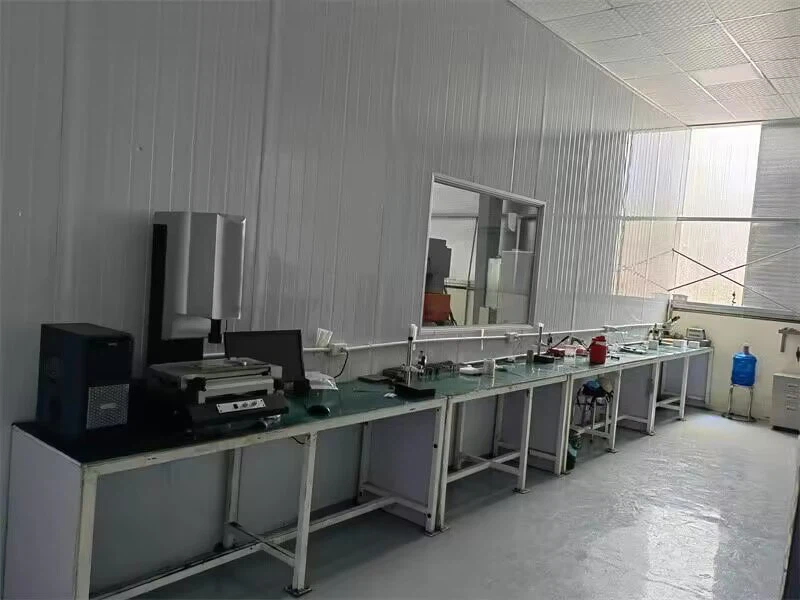
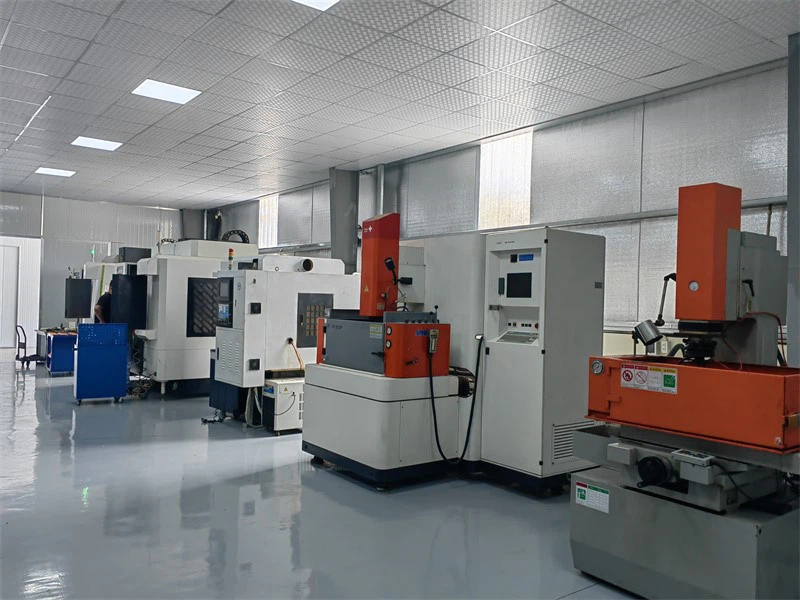
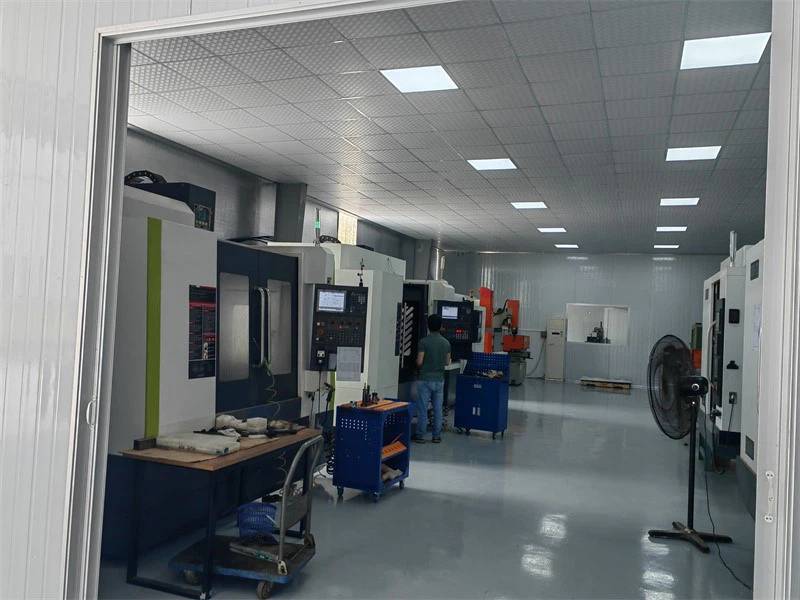
Our Factory
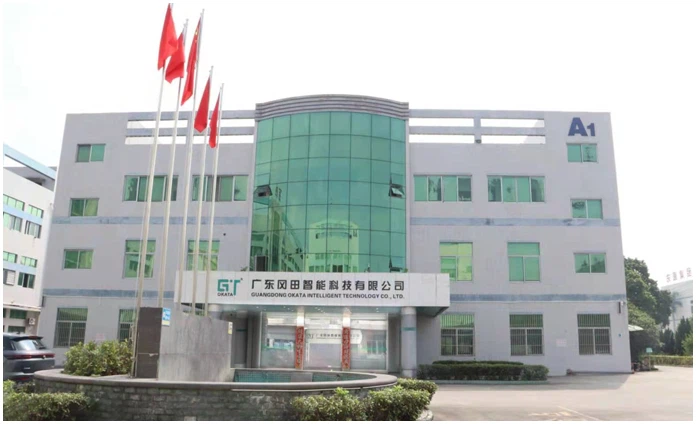
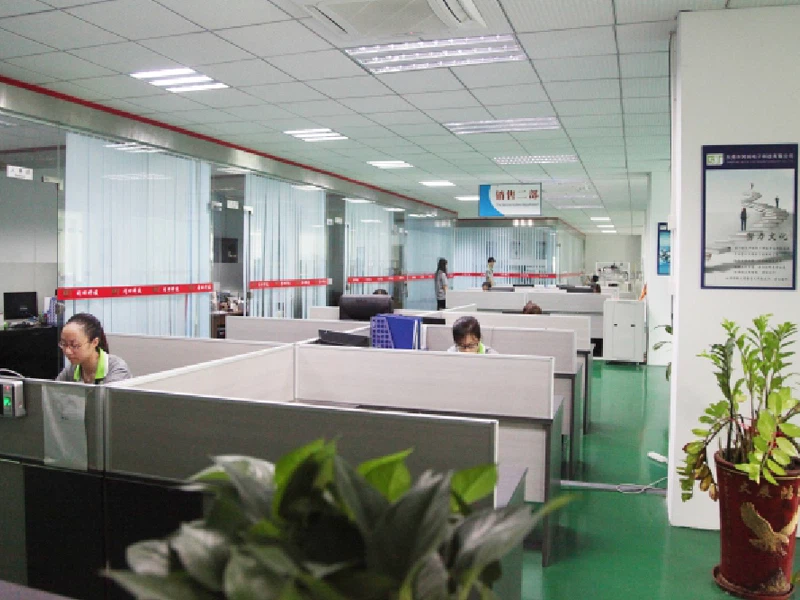
Okata has been adhering to the development philosophy of "integrity, professionalism, cooperation and mutual benefit" and is committed to building a century brand of high-end manufacturing. With the perfect balance of performance and price, we constantly pursue high-quality and high-efficiency products to serve both domestic and foreign customers, and ultimately become an outstanding enterprise respected by society.
Our products are widely used in electrical and electronics, high-end 3C products, 5G communications, automotive electronics, intelligent terminals, display, new energy, energy storage and other industries. We provide the most competitive solutions and cost-effective professional equipment for domestic and foreign well-known enterprises, and have successfully customized thousands of fully automatic production lines for customers.
FAQ
We're well-known as one of the leading automatic guided vehicle manufacturers and suppliers in China. Please feel free to buy high quality automatic guided vehicle for sale here from our factory. For more information, contact us now.
load transfer agv, automatic guided vehicle, agv for warehouse logistics