
Why choose us?
Modern techniques
We actively learn and adopt the advanced technology of various countries, combining the high precision of the new technology developed by our company, and according to the customer's problems, so as to develop automation equipment machines suitable for customers.
Fast delivery
After both sides sign the contract, all equipment will be delivered in 1-10 days except for non-standard equipment, which is determined on specific situation!
Safe and secure
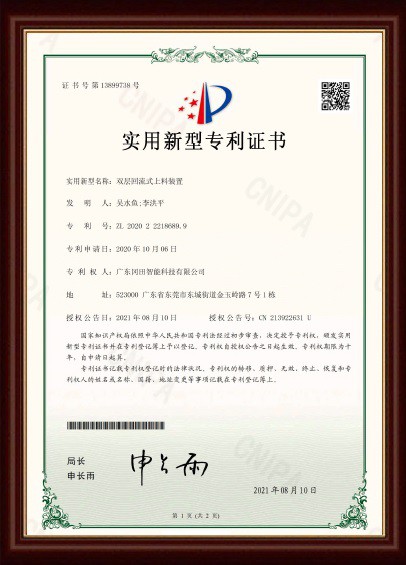
We have been certified as a national high-tech enterprise for many consecutive years and owns more than 70 patents, including more than 30 invention patents and software copyrights.
Strict quality control
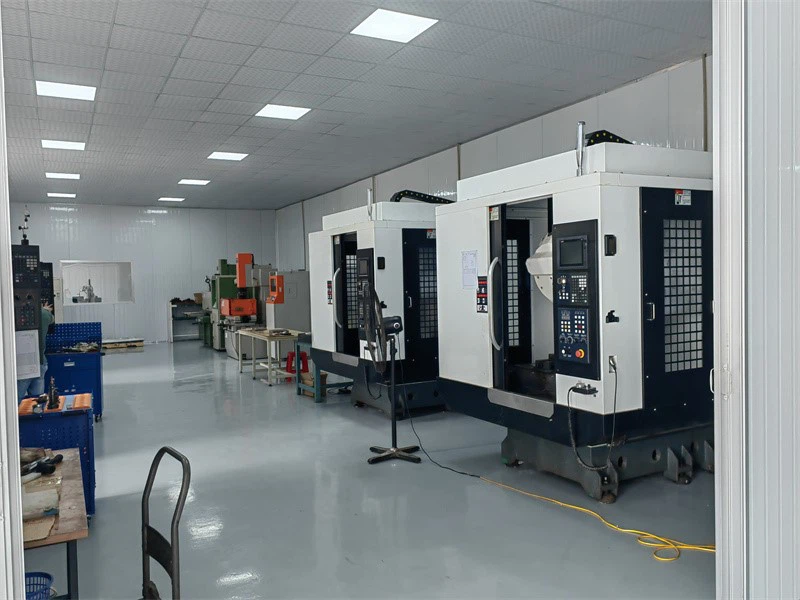
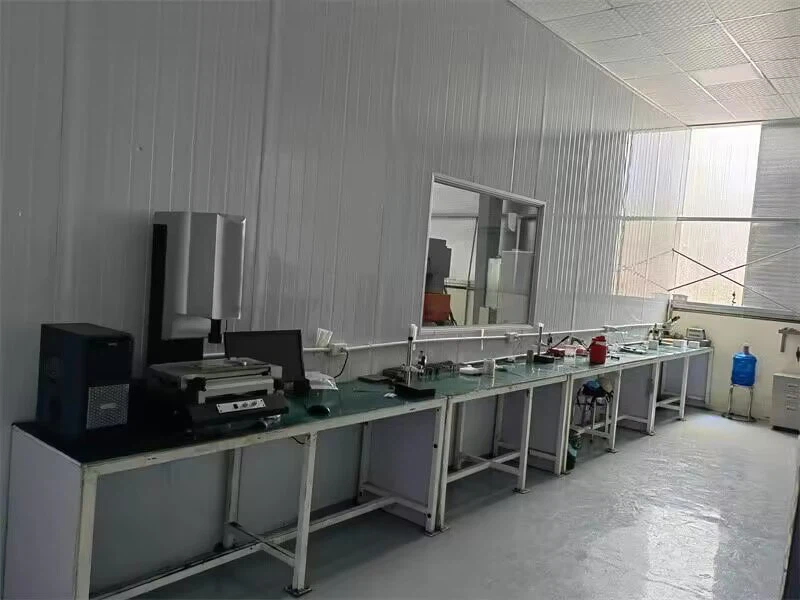
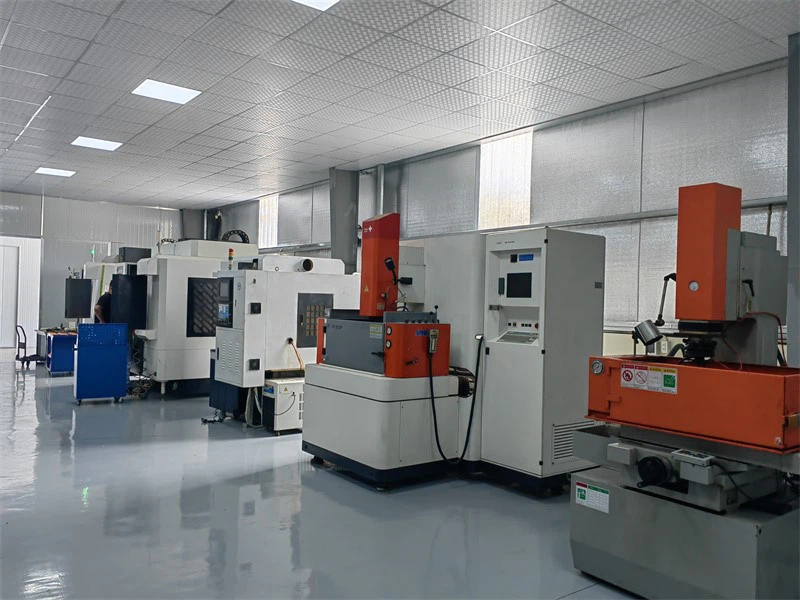
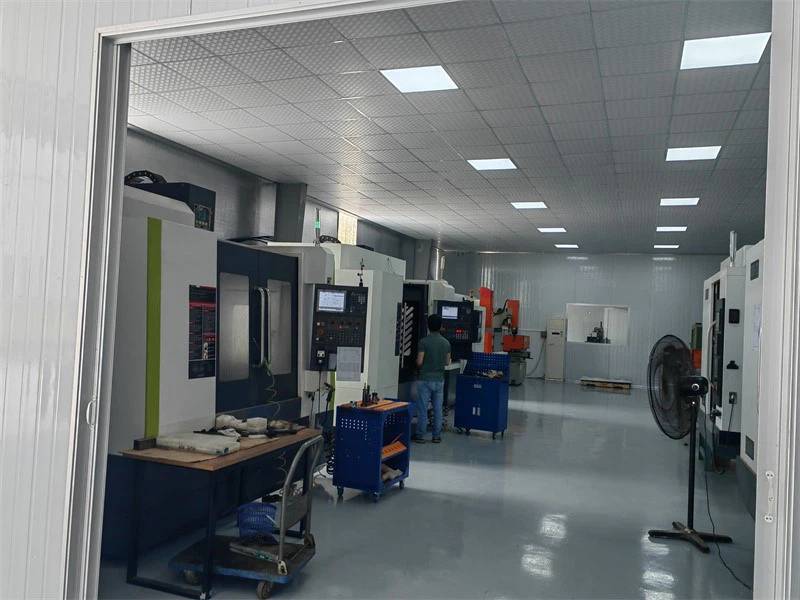
We have our own processing workshop and testing instruments. Our equipment testing process is strict, including raw material testing, production process testing, and joint testing by various departments before shipment, with layers of checking.
-
![Automatic Screwdriving Machine with Double Y-axis]() Automatic Screwdriving Machine with Double Y-axisThis series of equipment is automatic screwdriving machine with double Y-axis and double workbenches, mainly applied to intelligent equipment for various electronic products requiring screw fasteningread more
Automatic Screwdriving Machine with Double Y-axisThis series of equipment is automatic screwdriving machine with double Y-axis and double workbenches, mainly applied to intelligent equipment for various electronic products requiring screw fasteningread more -
![Automatic Screwdriving Machine]() Automatic Screwdriving MachineThis series of equipment belongs to a single-Y-axis single-workbench screwdriving machine, primarily applicable to products with screw fastening dimensions under 400*500mm. Larger-sized products canread more
Automatic Screwdriving MachineThis series of equipment belongs to a single-Y-axis single-workbench screwdriving machine, primarily applicable to products with screw fastening dimensions under 400*500mm. Larger-sized products canread more -
![Automatic Screwdriving Machine with Double Heads]() Automatic Screwdriving Machine with Double HeadsThis series of equipment belongs to a dual-head, dual-Y-axis, dual-workstation screwdriving machine, primarily suitable for products with dimensions under 300*300mm. Featuring simultaneous dual-headread more
Automatic Screwdriving Machine with Double HeadsThis series of equipment belongs to a dual-head, dual-Y-axis, dual-workstation screwdriving machine, primarily suitable for products with dimensions under 300*300mm. Featuring simultaneous dual-headread more -
![Online Automatic Screwdriving Machine for Inner Screen]() Online Automatic Screwdriving Machine for Inner ScreenThis series of screwdriving machines features dual X-axis, dual Y-axis, and dual control systems for independent operation. Designed as floor-mounted six-axis screwdriving equipment specifically forread more
Online Automatic Screwdriving Machine for Inner ScreenThis series of screwdriving machines features dual X-axis, dual Y-axis, and dual control systems for independent operation. Designed as floor-mounted six-axis screwdriving equipment specifically forread more -
![Online Automatic Screwdriving Machine for LCD Back Shell]() Online Automatic Screwdriving Machine for LCD Back ShellOnline automatic screwdriving machine for LCD back shell is a production line composed of two sets of double-head automatic screw-locking machines . The two sets of equipment are divided into a mainread more
Online Automatic Screwdriving Machine for LCD Back ShellOnline automatic screwdriving machine for LCD back shell is a production line composed of two sets of double-head automatic screw-locking machines . The two sets of equipment are divided into a mainread more -
![Online Automatic Screwdriving Machine for Intelligent Meter]() Online Automatic Screwdriving Machine for Intelligent MeterOnline Automatic Screwdriving Machine for Intelligent Meter:This equipment is an online single-head automatic screw-driving machine, which can be applied to locking products with a size range ofread more
Online Automatic Screwdriving Machine for Intelligent MeterOnline Automatic Screwdriving Machine for Intelligent Meter:This equipment is an online single-head automatic screw-driving machine, which can be applied to locking products with a size range ofread more


A screwdriving machine holds an automatic screwdriver tool that can pick up screws. The machine can either move the screwdriver, so it can fasten the screws into the component or move the component, so it is orientated correctly for the static screwdriver.
Benefits of Screwdriving Machine
Precision
The use of sensors in the assembly process has greatly enhanced the precision of the screwing process. Proper screw placement at the correct angle ensures that joints are connected correctly, a factor that improves the quality of products. The various forms of screwdriving machines, with their high repeatability, guarantees that every screwing process is completed with the highest accuracy.
Lower cost
The wide range of screwdriving machines makes it possible to choose a solution that exactly meets the parameters of an application. The automation process includes manually operated screwdrivers, machine driven, and robotic arms with computer controls for simple screwing to more complex ones for multiple function automatic screwdrivers. The various types of automatic screwdrivers range from table top and workbench models to large multi-feed types. In essence, there is an automatic screwdriver to fit any application.
Efficiency
Efficiency is the main reason for the implementation of a screwdriving machine. What may take workers hours to complete can be completed in minutes using an automatic screwdriver system. Simple processes regarding selecting, inserting, and tightening screws happen rapidly with little effort and without staff involvement. Automatic screwdrivers work quickly at a fast pace, which reduces the time necessary to complete an assembly.
Versatility
Along with the selection of different costs for screwdriving machines, there is just as wide a selection of sizes with ones capable of working on an assembly line and being placed as a part of production to ones that work with staff to improve simple procedures. Additionally, manufacturers work closely with clients to develop and perfect customized screwdrivers that precisely fit specific situations and conditions.
Ergonomics
A major part of modern manufacturing is concern for worker health, which is a cost savings and efficiency consideration. Repetitive tasks place a great deal of strain on workers that leads to fatigue, injuries, and time off work. Taking simple tasks, such as securing screws, and automating them removes any concern for worker health with the side effect of improving worker morale.
Types of Screwdriving Machine
A gantry type automatic screwdriver moves horizontally along the X Y axes using a servo motor drive and sliding table. The structure has X axis rails and Y axis bracket rails for positioning assemblies. Gantry automatic screwdrivers are programmable with automatic screw feeders. They can have multiple screwdrivers that are positioned by the movement of the X axis rails. Pieces to be connected are placed on the Y axis platform that moves in accordance with programmed instructions.
Automatic screwdriver robots are designed to perform the repetitive tasks of screwing and unscrewing of bolts, nuts, or screws. They are programmed to complete such tasks with precision accuracy and efficiency to help reduce labor costs and increase productivity.
The use of cobot systems has been rapidly growing in recent years as producers have found that the blending of staff with technology increases productivity and efficiency while improving the quality of products. Collaborative automatic screwdrivers are designed to work with people or other manufacturing applications. The introduction of collaborative automatic screwdrivers has been due to their size, low cost, flexibility, adaptability, precision, and collaborative abilities.
A typical automatic screwdriver is capable of screwing one type of screw multiple times. The process is efficient and quick with workpieces being passed through, have screws connected, and moved on to the next process. This aspect of automatic screwdrivers is the reason for their popularity. As the use of automatic screwdrivers has increased, users have asked for automatic screwdrivers that can be used with several different screws at the same time.
The drive head for a multiple spindle automatic screwdriver is capable of driving multiple screws of different sizes and types into a part in one operation or at programmed intervals. Each screwdriver can be programmed to operate independently in accordance with the requirements of an application. The system operates with a blow feeder and can be configured for bolts, pins, rivets, and set screws.
Screwdriving machines work by automating and simplifying the process of screwing. They consist of a few basic components, including a screw feeder, a screwdriver unit, and a controller.
The screw feeder is the part of the machine responsible for sorting and dispensing the screws. It typically consists of a hopper, where the screws are loaded, a feeding mechanism, and a trackway that guides the screws towards the screwdriver unit.
The screwdriver unit is the core of the machine and is responsible for placing the screws into the product. It consists of a motor, a clutch, and a bit holder. The motor provides the power to spin the screwdriver, while the clutch controls the torque, ensuring that the screw is neither under-tightened nor over-tightened. The bit holder holds the screwdriver bit, which is the piece that actually grips the screw and drives it into the product.
The controller is the brains of the operation, and its primary function is to synchronize the screw driving process between the screw feeder and the screwdriver unit. It also controls the speed and torque of the screwdriver, ensuring that the screws are inserted accurately and consistently. Some advanced automatic screwdriver machines also come equipped with sensors and cameras to detect and correct any errors that may occur during the insertion process.
The operation of a screwdriving machine can be broken down into the following steps:
Loading screws into the hopper
The first step of the process is to load the screws into the hopper of the machine. The hopper is typically located on top of the machine and can hold a large quantity of screws.
Sorting and feeding screws
Once the screws are loaded, the feeding mechanism of the screw feeder will start to operate, separating the screws and guiding them towards the trackway. The trackway is designed to align the screws and feed them into the screwdriver unit one at a time.
Picking up screws
As the screws are fed into the screwdriver unit, they are picked up by the bit holder using a vacuum or a magnetic system. The bit holder then brings the screw to the correct position for insertion.
Inserting screws
Now that the screws are in position, the screwdriver unit will apply the necessary torque and spin the screwdriver, driving the screw into the product. The controller ensures that the torque is consistent, ensuring that the screw is properly inserted. The machine can also detect cross-threading or stripping of screws and stop the operation to avoid damaging the product.
Repeat
The feeding, picking up, and inserting process will continue until all the screws are inserted. Once the hopper is empty, the machine will stop, and the operator can reload the hopper and restart the process.
Components of Screwdriving Machine
Feeding mechanism contains screw screening, sorting feeding and distribution, screening can be divided into lifting type feeding, roller feeding and disc vibration feeding; sorting are used in a straight line track sorting, vibration feeding by the vibrator; distribution according to the screw specifications structure and product characteristics can be divided into blowing type, suction type two kinds of blowing type can be realized at the same time as a number of screws blowing, fast speed and highest efficiency, suction type Can only suck a screw at a time, the efficiency is low, can not use the blowing method of screws, you can consider using automatic screw feeder.
The external program is written and written into PLC, and the PLC controls the motor or cylinder to run and drive the slide to move on the XYZ axis to realize the accurate positioning of the screw holes.
The locking mechanism is mainly composed of electric screwdriver, cutter head, telescopic mechanism, clamping nozzle or sleeve, the screw feeder to send over the screws to the screw locking holes, control the electric screwdriver downward pressure, electric screwdriver has a downward pressure to start the function of the screw contact with the screw holes to automatically start the electric batch, to achieve the locking torque, automatic stop, complete the locking of the screw.
How to Maintain Screwdriving Machine


Finding vibration sources
Being aware of what happens with the machine is one of the most important things you ought to think about. It is important to remain keen with how the machine works. If any changes are witnessed, inspections should be done to avert bigger issues from arising. Most of the automatic screwdriver systems are made to be durable and very efficient. However, this does not mean they cannot break down. If there are any vibrations or noise detected from the machine, the best thing is to disconnect the power and inspect it from different angles. In many cases, this can help in identifying the root cause of the issue.
Switch the machine off
There are times when the machine is not in use. If this is the case, make sure it is turned off the right way. This saves power and extends the life of the machine; this also helps avoid any clutter after the machine has been used.
Unloading
There are instances when production needs to stop for some time for one reason or the other; in such a case, the automatic screw feeding systems should be shielded. It is important to unload the machine entirely and make sure all the areas are wiped and shield as they should be. This maintains the machine well up to the time it needs to be used once again. Special precautions need to be taken when the machine is used to keep it and the operator safe.
Cleaning
Most automatic screwdriver system manufacturers deliver the machine with some clear instructions regarding maintenance and cleaning of the machine. Cleaning is always an essential part of the machines. This ensures that they remain dust and dirt-free. If cleaning is not done the right way, it does not give the optimum performance. Not cleaning could cause some damages at some point. Most automatic screw feeder machine manufacturers make maintenance services available in different parts of the world. This is an important consideration that has to be made when the initial purchase is being conducted. It helps determine whether the device parts and maintenance services are available where the machine will be operating. This means less downtime and losses should the machine run into issues.
Lubrication
This is an important part of maintenance. In such a case, it helps to follow the manufacturer’s instructions about the automatic screw tightening machine. Lubrication can help in extending its life. There may also be parts that require regular tightening, as they are prone to becoming loose. However, regular maintenance can help diagnose such issues and get things done the right way.
Certifications



Our Factory
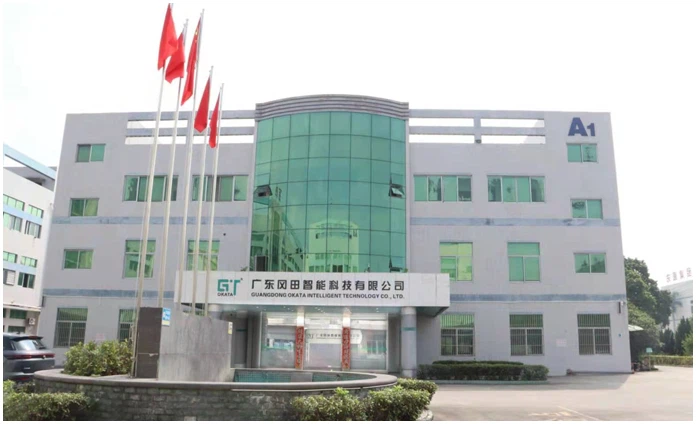
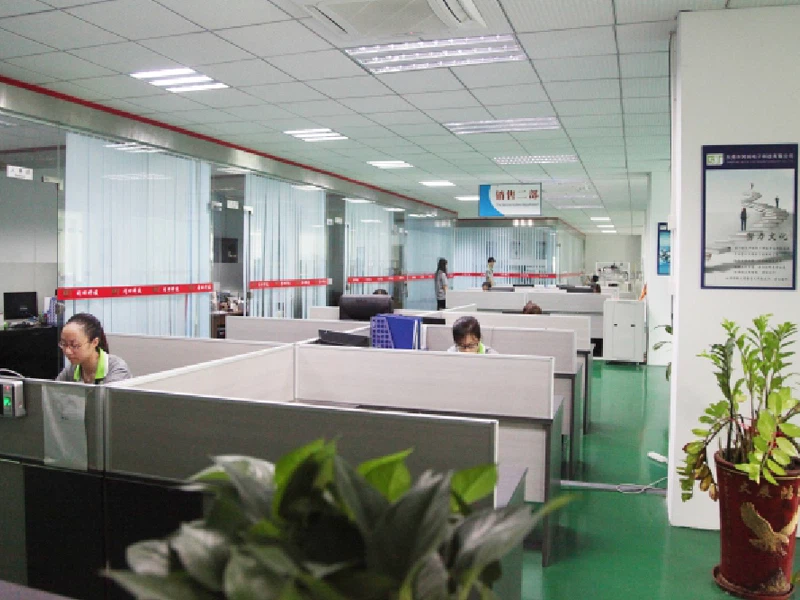
Okata has been adhering to the development philosophy of "integrity, professionalism, cooperation and mutual benefit" and is committed to building a century brand of high-end manufacturing. With the perfect balance of performance and price, we constantly pursue high-quality and high-efficiency products to serve both domestic and foreign customers, and ultimately become an outstanding enterprise respected by society.
Our products are widely used in electrical and electronics, high-end 3C products, 5G communications, automotive electronics, intelligent terminals, display, new energy, energy storage and other industries. We provide the most competitive solutions and cost-effective professional equipment for domestic and foreign well-known enterprises, and have successfully customized thousands of fully automatic production lines for customers.
FAQ
We're well-known as one of the leading screwdriving machine manufacturers and suppliers in China. Please feel free to buy high quality screwdriving machine for sale here from our factory. For more information, contact us now.
automatic screwdriving machine with double y axis, online automatic screwdriving machine for inner screen, automatic screwdriving machine