
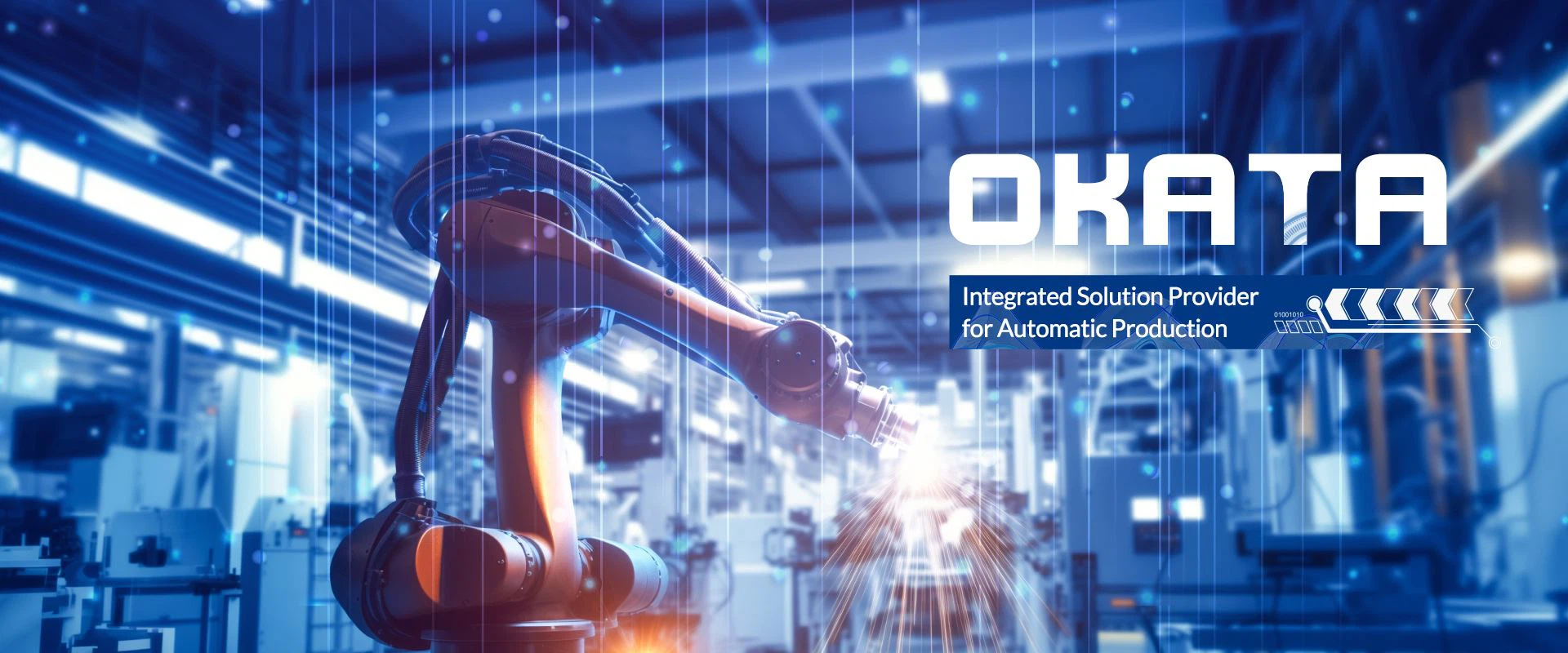
Why choose us?
Modern techniques
We actively learn and adopt the advanced technology of various countries, combining the high precision of the new technology developed by our company, and according to the customer's problems, so as to develop automation equipment machines suitable for customers.
Fast delivery
After both sides sign the contract, all equipment will be delivered in 1-10 days except for non-standard equipment, which is determined on specific situation!
Safe and secure
We have been certified as a national high-tech enterprise for many consecutive years and owns more than 70 patents, including more than 30 invention patents and software copyrights.
Strict quality control
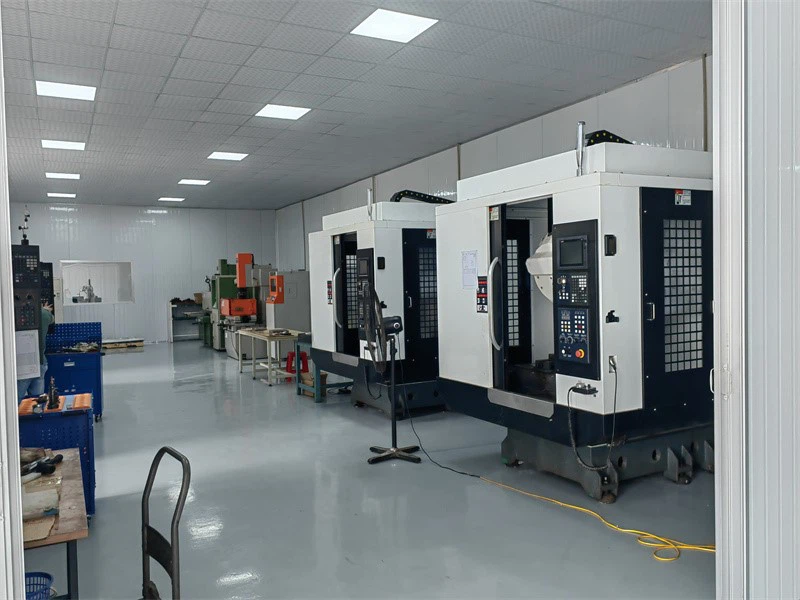
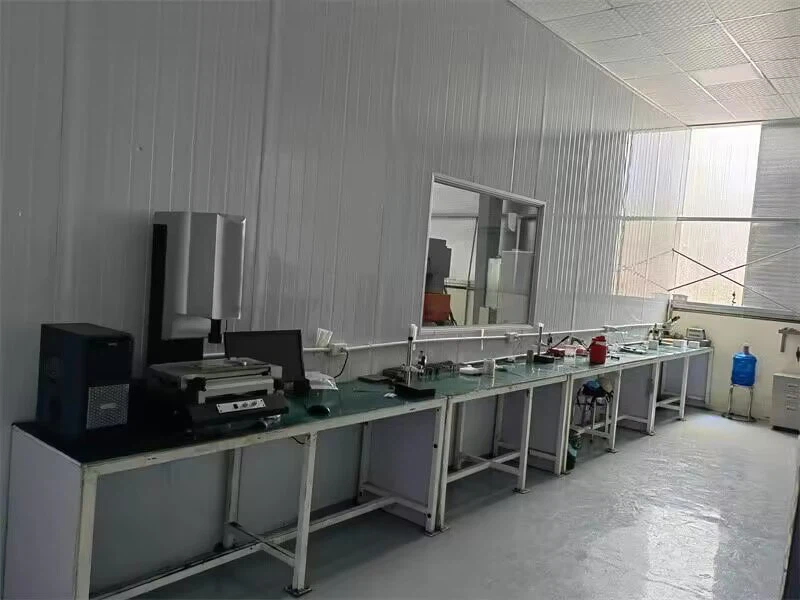
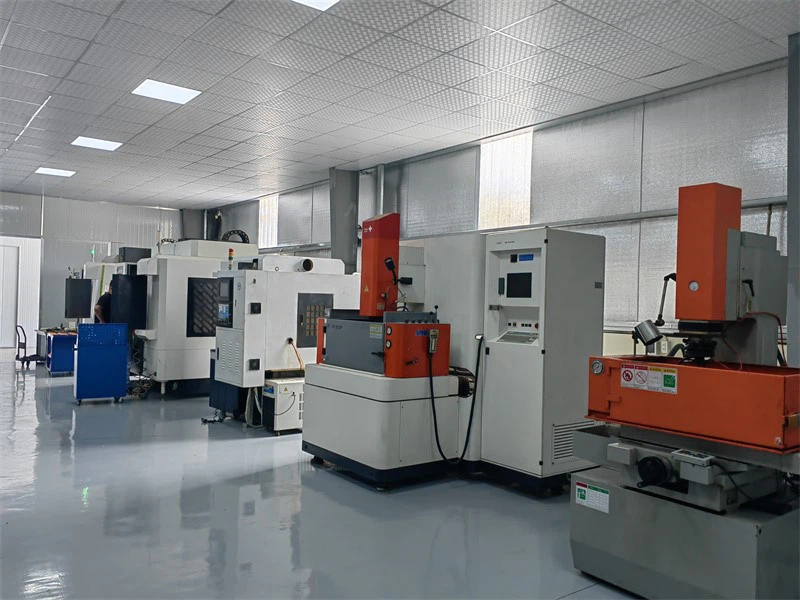
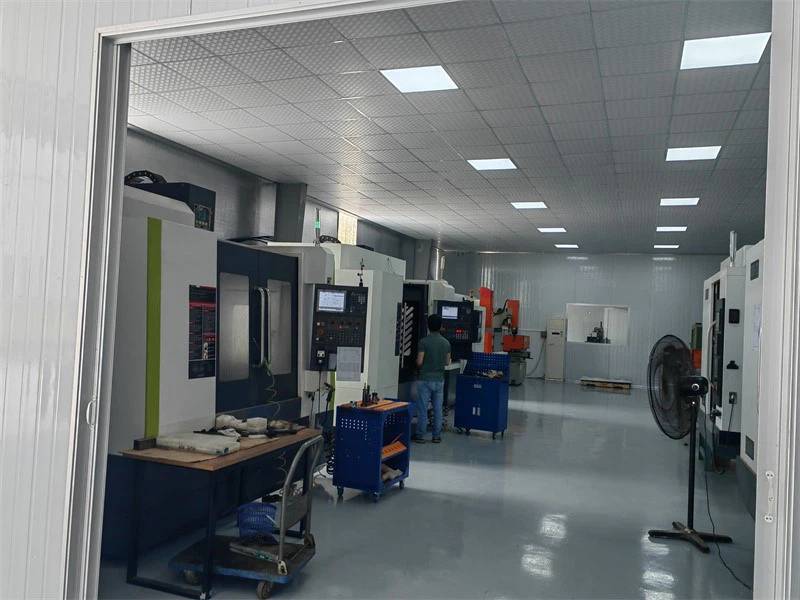
We have our own processing workshop and testing instruments. Our equipment testing process is strict, including raw material testing, production process testing, and joint testing by various departments before shipment, with layers of checking.
-
![Automatic Production Line for Relay]() Automatic Production Line for RelayThis equipment can realize fully automatic assembly of relay, fully automatic on BASE, C terminal and C splinter hinging, M terminal and M splinter hinging, assembling coil, iron core, armature,read more
Automatic Production Line for RelayThis equipment can realize fully automatic assembly of relay, fully automatic on BASE, C terminal and C splinter hinging, M terminal and M splinter hinging, assembling coil, iron core, armature,read more -
![Automatic Audio Production Line]() Automatic Audio Production LineA highly efficient, precise, and intelligent audio manufacturing solution that achieves fully automated production processes, significantly enhancing efficiency and quality. Widely applied inread more
Automatic Audio Production LineA highly efficient, precise, and intelligent audio manufacturing solution that achieves fully automated production processes, significantly enhancing efficiency and quality. Widely applied inread more -
![Automatic Production Line For UAV]() Automatic Production Line For UAVOKATA’s automatic production and assembly lines for UAVs use automated equipment and robotics to achieve a high degree of automation in the production process. This improves production efficiency,read more
Automatic Production Line For UAVOKATA’s automatic production and assembly lines for UAVs use automated equipment and robotics to achieve a high degree of automation in the production process. This improves production efficiency,read more -
![Automatic Production Line for Smoke Extractor]() Automatic Production Line for Smoke ExtractorAutomatic production line for smoke extractor and speed chain conveyor line configuration elevator can realize double and multi-layer conveying, can make the workpiece board in a plane 4 frame cycleread more
Automatic Production Line for Smoke ExtractorAutomatic production line for smoke extractor and speed chain conveyor line configuration elevator can realize double and multi-layer conveying, can make the workpiece board in a plane 4 frame cycleread more -
![Automatic Production Line for Electric Fans]() Automatic Production Line for Electric FansAutomatic Production Line for Electric Fans: Integrates automated assembly, aging testing, and unmanned packaging to achieve efficient full-process automated production from components to finishedread more
Automatic Production Line for Electric FansAutomatic Production Line for Electric Fans: Integrates automated assembly, aging testing, and unmanned packaging to achieve efficient full-process automated production from components to finishedread more -
![Automatic Production Line for Charging Pile]() Automatic Production Line for Charging PileThe automatic production line for charging pile is designed for mass production of new energy charging piles. Integrated with Industry 4.0 technologies, it achieves fully intelligent productionread more
Automatic Production Line for Charging PileThe automatic production line for charging pile is designed for mass production of new energy charging piles. Integrated with Industry 4.0 technologies, it achieves fully intelligent productionread more -
![Automatic Production Line for Servo Controller]() Automatic Production Line for Servo ControllerThis production line includes servo controller assembly, testing, aging and packaging assembly line.read more
Automatic Production Line for Servo ControllerThis production line includes servo controller assembly, testing, aging and packaging assembly line.read more -
![Liquid Crystal Display Production Line]() Liquid Crystal Display Production LineThe LCD production line is a core manufacturing system for modern display technology, widely used in smartphones, tablets, TVs, automotive displays, and more. Our LCD production lines featureread more
Liquid Crystal Display Production LineThe LCD production line is a core manufacturing system for modern display technology, widely used in smartphones, tablets, TVs, automotive displays, and more. Our LCD production lines featureread more -
![Automatic Power Supply Production Line]() Automatic Power Supply Production Line1. Use PC to realize man-machine information exchange. 2. Tilt of the product is 30 degrees - 45 degrees, using cylinders to realize the function.. 3. Power supply holder automatic test (vision)read more
Automatic Power Supply Production Line1. Use PC to realize man-machine information exchange. 2. Tilt of the product is 30 degrees - 45 degrees, using cylinders to realize the function.. 3. Power supply holder automatic test (vision)read more -
![Water Pump Motor Production Line]() Water Pump Motor Production LineAs a crucial power component in modern industrial and civil applications, water pump motors are widely used in home appliances, automotive, agricultural irrigation, industrial cooling, and more. Toread more
Water Pump Motor Production LineAs a crucial power component in modern industrial and civil applications, water pump motors are widely used in home appliances, automotive, agricultural irrigation, industrial cooling, and more. Toread more -
![Vacuum Baking Production Line]() Vacuum Baking Production LineVacuum baking production line adopts vacuum furnace, that is, in the furnace cavity of this specific space using a vacuum system (by the vacuum pump, vacuum measurement devices, vacuum valves andread more
Vacuum Baking Production LineVacuum baking production line adopts vacuum furnace, that is, in the furnace cavity of this specific space using a vacuum system (by the vacuum pump, vacuum measurement devices, vacuum valves andread more -
![Oven Production Line]() Oven Production LineOven production line is composed of three parts: oven assembly line, oven aging test line and oven unmanned packaging line, this integrated combination can realize the automatic and efficientread more
Oven Production LineOven production line is composed of three parts: oven assembly line, oven aging test line and oven unmanned packaging line, this integrated combination can realize the automatic and efficientread more


Automated production line refers to the route that products pass through during the production process, that is, the route composed of multiple production activities, such as processing, transportation, assembly and control from raw materials to the production site. According to different industries and processes, automated production lines include automatic processing lines, automatic assembly lines, automatic spraying lines, welding lines, electroplating lines and other types.
Benefits of Automatic Production Line
Advance product accuracy
Because robots are consistent, you can better predict the timing and cost of each project, which also improves client relations.
Boost production rates
An automated system can execute and streamline tasks more efficiently compared to manual labor and can operate 24/7 until maintenance is required, allowing you to outperform previous production levels.
Decrease operating and labor costs
Investing in automated machines can replace manual operations and the labor costs that come with them through efficient systems that focus on delivering controlled and accurate movements.
Enhance safety levels
Relying on automated machines to perform dangerous tasks or work in hazardous locations creates a safer work zone for employees, reducing workplace injuries.
Achieve faster return on investment
Because of reduced lead times, lower operating costs and improved output, you receive a faster return on investment (ROI).
Gain a competitive advantage
Compete with others in your industry while improving quality and decreasing costs and cycle times via flexible automation systems.
Improve quality
Robotics can produce products with the same level of accuracy and quality each time with less variability, achieving better quality control.
Increase versatility
It’s possible to reposition and reprogram automated machines to adapt to industry demands and your fluctuating needs.
Lessen lead times
Automation lessens the time between each order and delivery to your customers through improved in-house processing control.
Optimize floor space
Robots are compact machines you can mount on various surfaces and locations, especially in confined areas.
Reduce environmental impact
By relying on a more streamlined process, reducing wasted material and occupying less space, manufacturing automation helps reduce your facility’s carbon footprint.
Focus on worker expertise
With automated manufacturing equipment in place, you can allocate your workers to more high-level and strategic tasks that require their particular expertise.
Types of Automatic Production Line


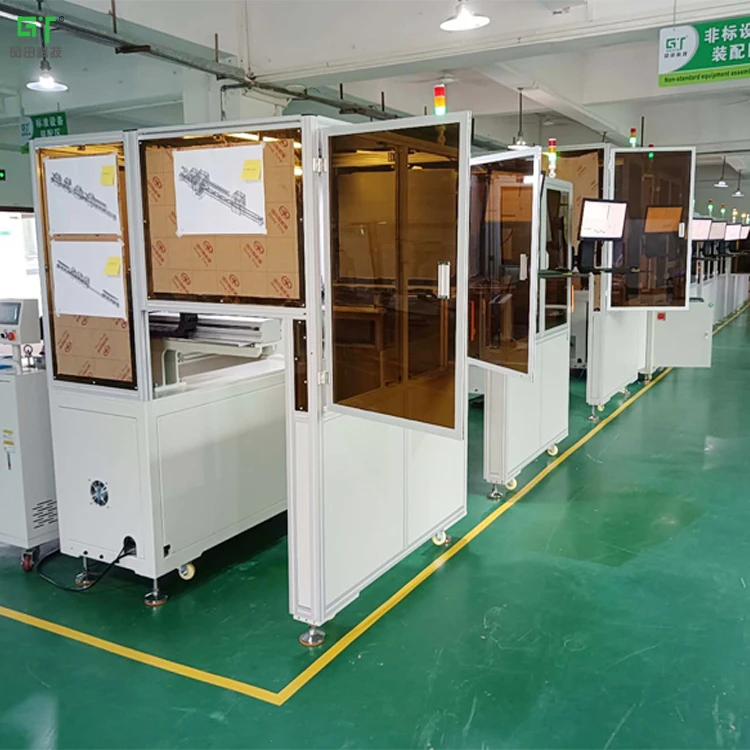

Fixed automation: High-volume production systems
Fixed automation, is a production system designed for high-volume manufacturing of standardized products. It is characterized by custom-engineered equipment arranged in a fixed sequence of operations. Fixed automation systems typically feature high production rates, ranging from hundreds to thousands of units per hour, with limited flexibility for product variations.
Programmable automation: Versatility in manufacturing
Programmable automation is a flexible manufacturing approach that uses reprogrammable equipment to produce a variety of products. Unlike fixed automation, such a system is characterized by its ability to change production parameters through software modifications. For example, while fixed automation might only be capable of moving from A to B, a programmable automation technology could be programmed to move from A to B, and then subsequently be programmed to move from A to C.
Flexible automation: Adapting to product variations
Flexible automation is a manufacturing approach that combines automation efficiency with the adaptability to produce a variety of products or product variations. It is crucial in modern manufacturing, where product lifecycles are shorter and customization demands are higher. It refers to manufacturing equipment that is controlled by a computer program and is capable of carrying out a diversity of tasks based on the code it has been fed. Unlike programmable automation, which can be programmed for different products but requires significant down-time to do so, flexible automation solutions can be adapted rapidly and often automatically.
Integrated automation: Holistic system approach
Integrated automation is a comprehensive approach to manufacturing and process control that interconnects various subsystems and components to create a cohesive, efficient production environment. It refers to an end-to-end automated manufacturing process that does not require any human intervention. In an integrated automation workflow, a computer software system controls and connects the various pieces of manufacturing equipment on the production floor. Once settings and parameters have been set by an engineer or technician, the integrated automation solution carries out the instructions independently and can respond if any inconsistencies occur thanks to artificial intelligence and machine learning technologies.
Soft automation: Software-driven process control
Soft automation refers to the use of software systems to control, monitor, and optimize industrial processes and engineering workflows. It plays a crucial role in modern engineering by enabling flexible, adaptable, and intelligent control solutions.
Hard automation: Mechanical and electronic control systems
Hard automation refers to the use of dedicated, fixed-function machines and control systems to perform specific tasks in manufacturing and process control.
Unlike soft automation, which relies on flexible, software-driven solutions, hard automation systems are designed for high-speed, repetitive operations with limited variability. These systems excel in high-volume production environments where consistent, precise operations are critical.
Evaluate your current manufacturing process
It’s critical to first assess the current state of your production process, and especially the sequence of operations and taks involved in each cycle.
The basic principle to uphold is that automation will only be valuable in an already-efficient process. Automating an inefficient process will only amplify its imperfections and inefficiencies, so it will be counterproductive.
So, the initial step will provide you with a very important foundation on how you should execute and implement the automatic production line, and we’ll first focus on identifying bottlenecks and inefficiencies.
Establishing automation objectives
Defining the desired production output
In the previous section, we have discussed the importance of defining the objectives and purposes of implementing an automatic production line. In this step, we’ll put it into a more concrete manner by clearly defining the desired production output.
What is the rate of production and the minimum quantity of manufactured products needed to meet customer demand and business goals?
To answer this, you may want to evaluate your market demand and its forecasted growth to plan realistic production volume according to your production cycle time and lead time. Determine the sweet spot between the production output that satisfies market demands and maintaining cost-effectiveness.
Knowing the optimal production output to target will be very helpful in designing the automatic production line.
Setting QC standards
If defining desired production output is mainly about quantity, setting quality control standards is about quality.
Having established QC standards will help you ensure the automated production line can produce high-quality products consistently.
Identify the quality control measures necessary for your specific product or industry requirements.
Selecting the right automation technology and equipment
Selecting the right technology and equipment is crucial for achieving optimal efficiency and accurate automation.
These are the basic steps you can follow:
Define your automation needs: What specific tasks do you need to automate based on the previous steps?
Consider different automation technologies: There are a wide variety of automation technologies available in the market, some of the most common ones include:
Robotics: Often used to perform repetitive but relatively simple tasks like welding, painting, assembly, etc.
Machine vision: Can be used to perform inspections for defects, measure dimensions, etc. Often used in QC applications.
SCADA: Stands for Supervisory Control and Data Acquisition, SCADA systems are used to automatically monitor and control processes.
PLC: Stands for Programmable Logic Controller, used to automate manufacturing equipment.
Research and compare equipment suppliers: Once you’ve identified the technology you’ll need, you can research and source the suppliers. Request proposals and quotations from multiple suppliers, so you can compare prices, warranties, and features.
Make an informed decision: After careful evaluation, choose the automation technology that is the most ideal fit for your specific needs and budget.
Designing the layout and workflow
Designing the layout and workflow of the manufacturing process is an integral part of maximizing efficiency and accuracy.
To effectively design the layout of your automatic production line, you can follow these steps:
Define the product that will be produced: Doing so can help you determine the type of equipment and materials that will be required and the sequence of operations in the manufacturing process.
Identify key steps: Determine the key steps in the production process, so you can design the layout of the production line and the exact sequence of operations.
Design the layout of the production line: Design the layout of the workflow by considering factors such as ease of material transfers between different workstations, required proximity to raw materials, and travel distances for human operators. Your layout should consider an optimal spacial arrangement and minimal congestion.
Automate: Determine the optimal placement of automated equipment (conveyor belts, robotic arms, etc.) while considering optimal efficiency. If your system involves both automated and human-operated workstations, consider how you will optimize the interplay of tasks and the flow of materials between workstations to ensure efficiency.
Ensure safety and compliance: Evaluate the layout design for potential hazards (i.e., potential collisions, ergonomic issues, pinch points, etc.) and adjust your design as needed. Make sure the finalized layout stays compliant with industry standards and relevant regulations.
Test and iterate: Once you’ve created and implemented the initial layout design, conduct tests (virtual and/or actual) to assess the production line’s effectiveness and efficiency. Evaluate the efficiency of the process and identify potential bottlenecks. Don’t forget to involve your operators and stakeholders and collect feedback from them.
Implementation and integration
Now that you’ve selected the appropriate technology and have designed your workflow, the next step is to implement and integrate the system into a working production line. This step will mainly involve coordinating with your technology and equipment suppliers to ensure compatibility between all hardware and software solutions.
Here are the basic steps to ensure a seamless integration and implementation process:
(1)Coordinating with suppliers
●Coordinate with equipment and software suppliers to:
●Develop a comprehensive project timeline that outlines key deliverables, milestones, and deadlines
●Schedule delivery and installation (can be an issue when they are multiple suppliers)
●Discuss installation requirements and any specific considerations. Preemptively resolve any issues that may arise during the installation process
●Coordinate logistics to ensure the availability of necessary resources
●Provide any necessary training to the implementation/installation team
(2)Ensuring compatibility and connectivity between solutions
Another key consideration during this implementation process is to ensure compatibility and integration between machines and software. Consider to:
●Review specifications: Thoroughly review the specifications and documentation provided by suppliers. Assess the technical requirements and compatibility considerations for each hardware and software you’ll use in the automatic production line.
●Evaluate connectivity options: Identify the connectivity requirements for each machine. Consider protocols, networking solutions, and interfaces needed for effective integration.
●Conduct compatibility testing: Thoroughly perform compatibility testing to ensure different components in the production line can work together seamlessly. Test all data transfer protocols, interfaces, and synchronizations.
●Software integrations: For some machines or components, software integrations may be required. If necessary, contact the equipment suppliers and/or software providers to ensure seamless integration between solutions.
●Implement centralized control systems: Optional, but consider implementing a centralized control system like SCADA (Supervisory Control and Data Acquisition) or MES (Manufacturing Execution System) to enhance efficiency via centralized coordination.
●Train your personnel: Even a fully automated production line will need operators and maintenance personnel. Provide adequate training for your personnel to ensure they understand the functionalities and maintenance requirements of the automatic production line. Also, train relevant personnel on how to troubleshoot common procedures.
Testing and fine-tuning
Now that the production line has been implemented, it’s critical to conduct thorough testing and fine-tuning to identify and fix any issues that may arise.
(1)Conducting initial test runs
Conduct initial test runs as soon as the production line is installed to ensure that it is working properly. Here are a few tips:
●Prepare test scenarios: Define specific test scenarios with different performance objectives to evaluate the automatic production line. Consider different factors, including product quality, cycle times, efficiency, equipment synchronization, etc.
●Start small: Start with small-scale tests for a single piece of equipment or a single workstation before testing the whole automatic production line. This may give you an easier time identifying potential issues.
●Thoroughly monitor performance: Closely monitor the production line’s performance during the test runs. This includes material and information flow, equipment operation efficiency, product output, and other performance metrics.
●Evaluate QC measures: Evaluate the effectiveness of your quality control measures during these test runs. Verify that the quality criteria, inspection procedures, and established checkpoints are working as intended and can consistently detect any quality-related issues.
(2)Identify and resolve issues
Based on the results of the initial test runs, we can resolve any identified issues by implementing a systematic troubleshooting process that may involve:
●Making changes to the automatic production line’s configuration
●Updating the system’s software
●Adding new tools, equipment, or features to the automatic product line
●Inspect hardware/software configurations and analyze data to pinpoint the source of the issue.
Components of Automatic Production Line
An automated line has to move parts and components from one area to the next without delay. Conveyors take care of this. They easily move items from one area to the next as the assembly process continues.
Industrial robots are another vital part of an automated assembly line. They’re the components that can screw, wire, weld, and lift items to exactly where they need to go. They are not going to get tired like human workers do. They don’t need vacation, sick days, or meal and bathroom breaks. They can work 24/7 with basic maintenance from time to time.
A programmable logic controller (PLC) is an industrial-grade computer that runs 24/7 and controls the different manufacturing processes. This high-performing computer can control all of the different components making up your assembly line while also controlling the timing and functions of the different machines and robots throughout your plant. It’s an all-in-one controller that provides constant feedback to make sure your entire plant remains efficient and output is consistent.
Vision technology is the part of an automated assembly line that uses lasers and cameras to inspect the parts and placement of components going into your products. If there is a problem, vision technology quickly identifies and alerts you. This lowers waste and boosts quality.
How to Maintain Automatic Production Line
Equipment inventory
Start by creating a comprehensive inventory of all equipment and machines on the production line. Include detailed information such as brand/manufacturer, model/make, installation date, etc. Also, categorize your equipment based on importance and usage.
Identify maintenance tasks
For each machine/equipment, identify the specific maintenance tasks required. For example, one machine may require lubrication, while others may require regular calibration. Identify when parts need to be replaced and the optimal schedule for regular inspections.
Establish a maintenance schedule
Develop a detailed maintenance schedule for each piece of equipment. Consider the maintenance tasks you’ve identified above, as well as production cycles, equipment runtime, manufacturer recommendations, and others.
Assign responsibilities
Clearly define roles and responsibilities for the maintenance tasks. Also, make sure the assigned maintenance personnel are properly trained, equipped, and, if necessary, certified to perform the required maintenance tasks.
Recordkeeping
Establish a comprehensive system for documenting maintenance activities. These may include identified issues during inspections, repairs performed, replacement parts used, etc.
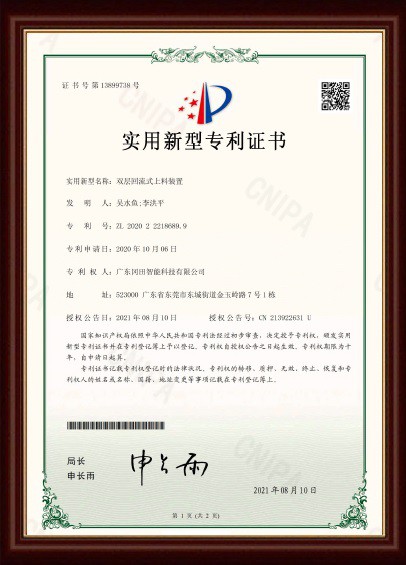
Certifications



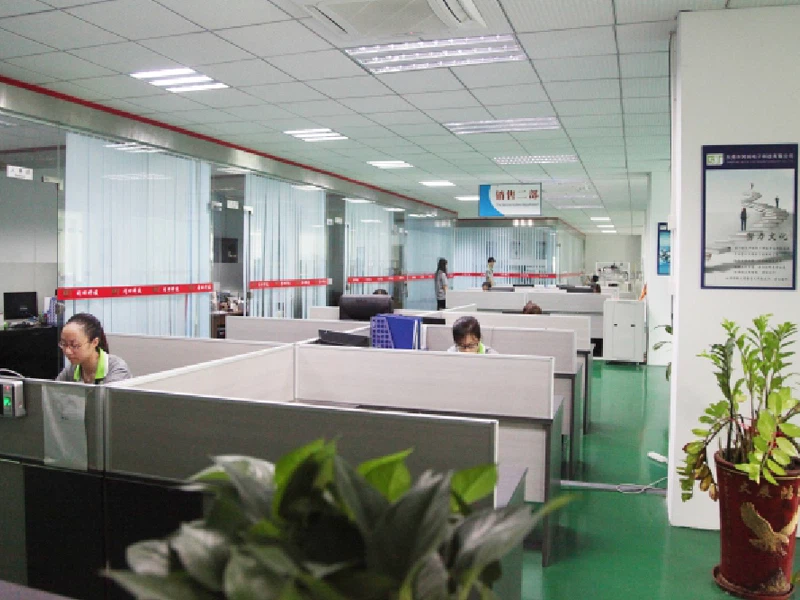
Our Factory
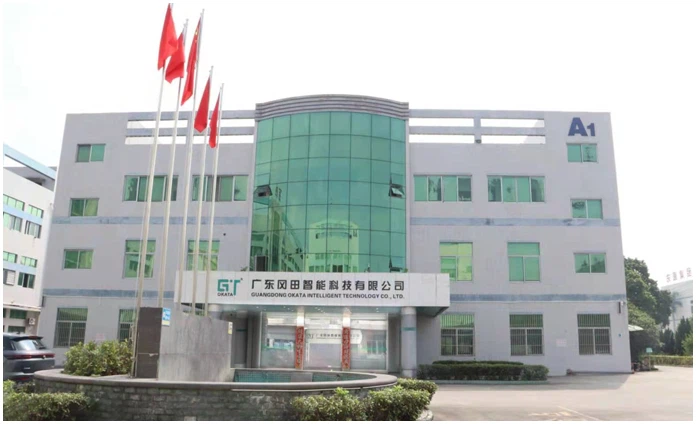
Okata has been adhering to the development philosophy of "integrity, professionalism, cooperation and mutual benefit" and is committed to building a century brand of high-end manufacturing. With the perfect balance of performance and price, we constantly pursue high-quality and high-efficiency products to serve both domestic and foreign customers, and ultimately become an outstanding enterprise respected by society.
Our products are widely used in electrical and electronics, high-end 3C products, 5G communications, automotive electronics, intelligent terminals, display, new energy, energy storage and other industries. We provide the most competitive solutions and cost-effective professional equipment for domestic and foreign well-known enterprises, and have successfully customized thousands of fully automatic production lines for customers.
FAQ
We're well-known as one of the leading automatic production line manufacturers and suppliers in China. Please feel free to buy high quality automatic production line for sale here from our factory. For more information, contact us now.
automatic power supply production line, automatic production line for touch screen, intelligent production line